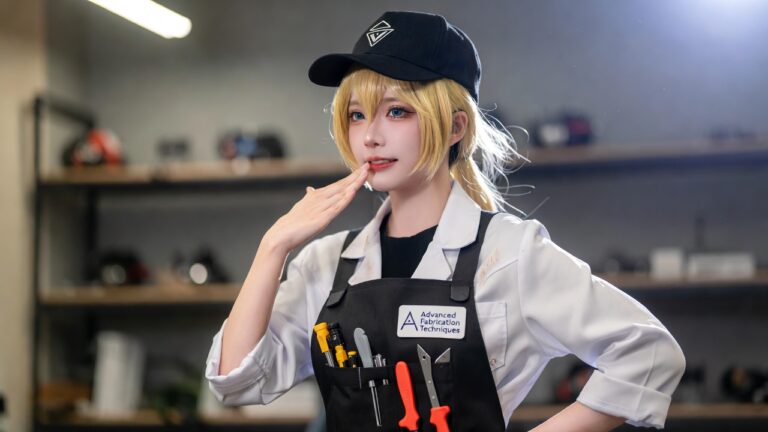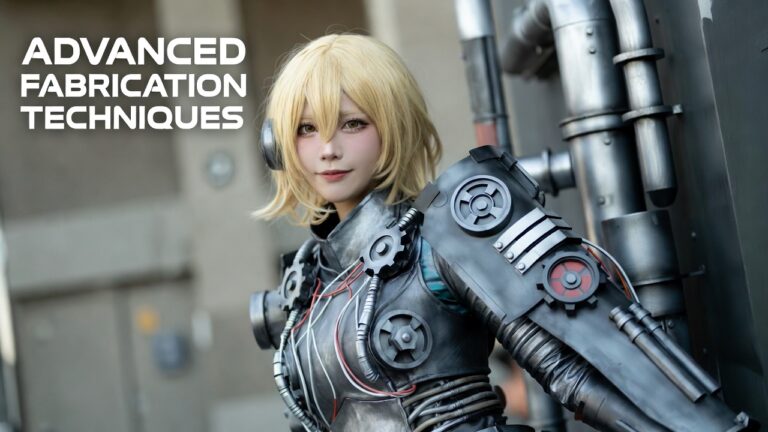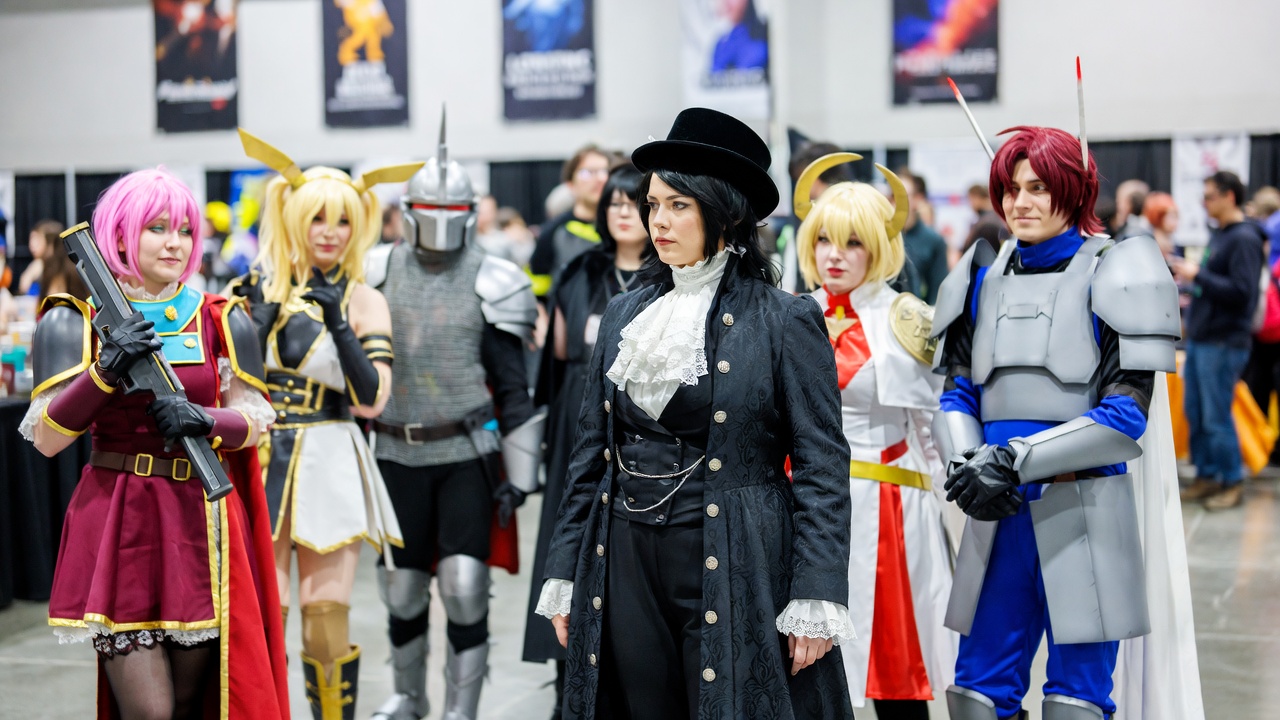
Cosplay is a global phenomenon that transcends borders, languages, and cultures. At any major city convention center, you might find thousands of people dressed as their favorite heroes, villains, or obscure side characters. While it may seem like a modern trend driven by the explosion of superhero movies and Japanese animation, the roots of this practice go much deeper than many realize. To truly understand where cosplay originated from, we must look at a history that spans nearly a century, involving visionary fans, linguistic shifts, and a shared human desire to bridge the gap between fiction and reality.
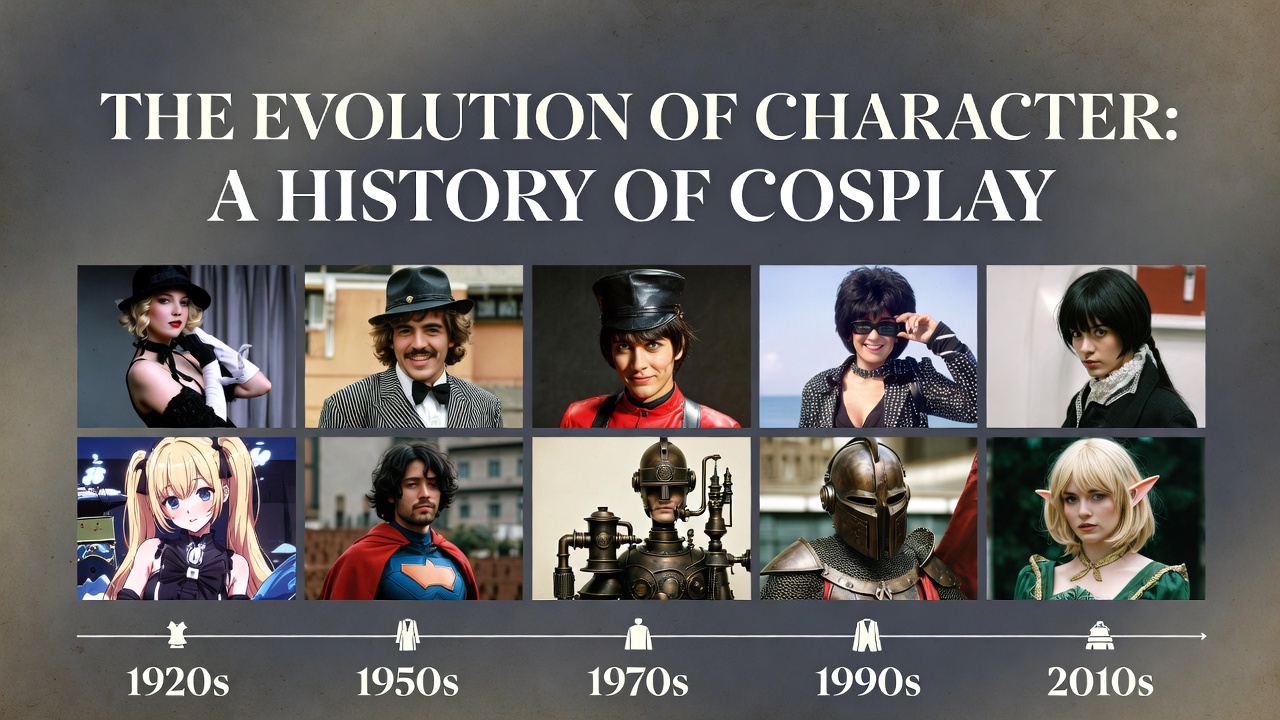
The American Roots: The First Worldcon
Key Milestone:
In 1939, Forrest J Ackerman and Myrtle R Douglas wore the first “futuristic” costumes to the inaugural Worldcon in New York. This event is widely cited as the birth of fan costuming.
The structural foundation of what we now call cosplay was laid in the United States during the late 1930s. In 1939, the very first World Science Fiction Convention (Worldcon) was held in New York City. Among the attendees were Forrest J Ackerman and Myrtle R Douglas, known as Morojo. They arrived at the event wearing “futuristic” costumes inspired by the aesthetic of pulp science fiction magazines and films like Things to Come. At the time, this was a radical act. Science fiction conventions were primarily gatherings for intellectual discussion about literature and technology. By showing up in costume, Ackerman and Morojo shifted the focus from the page to the person. They demonstrated that being a fan was not just about reading a story, but about inhabiting the world the author created. Their outfits sparked a trend, and by the following year, the convention held its first official “Masquerade” event, a costume contest that would become a staple of fan gatherings for decades to come.
The Golden Age of Science Fiction Fandom
Throughout the 1940s, 50s, and 60s, costuming became an integral part of science fiction and fantasy subcultures. Fans would spend months sewing intricate garments and building props to showcase at annual conventions. This era saw the rise of iconic characters from series like Buck Rogers and Flash Gordon, followed by the massive cultural impact of Star Trek in the 1960s. Trekkies were among the first to bring a level of uniform accuracy and character immersion that mirrors modern cosplay standards. During this period, the activity was simply referred to as “costuming” or participating in a “masquerade.” The performers would often walk across a stage, perform a short skit, and be judged on their craftsmanship and stage presence. It was a community driven effort where fans celebrated their mutual love for specific intellectual properties.
The Japanese Connection and the Coining of a Term
The next major evolution occurred in 1984, when a Japanese reporter named Nobuyuki Takahashi, founder of Studio Hard, attended Worldcon in Los Angeles. He was sent to cover the event for Japanese magazines and was struck by the passion and creativity of the costumed fans in the Masquerade. When Takahashi returned to Japan, he wanted to write about what he had seen. However, he found that the existing Japanese terms for “masquerade” or “costume” did not quite capture the spirit of the American event. He felt that “masquerade” sounded too aristocratic and “costume” was too generic. He experimented with several combinations before settling on a portmanteau of the English words “costume” and “play.” This gave birth to the term “Kosupure,” which translates to “Cosplay.” Takahashi began using the term in anime magazines like My Anime and June. The word resonated perfectly with the Japanese audience. Japan already had a growing culture of fans dressing as characters at events like Comiket (Comic Market), which had been running since 1975. The introduction of a specific, catchy term provided an identity for the subculture, allowing it to grow from a niche activity into a recognized social movement.
The Explosion of Anime and Manga
As the 1980s turned into the 1990s, the popularity of anime and manga skyrocketed both in Japan and internationally. Series like Neon Genesis Evangelion, Sailor Moon, and Dragon Ball Z provided characters with highly distinct visual styles that were perfect for cosplay. Unlike the more traditional “futuristic” suits of Western sci fi, anime designs often featured vibrant hair colors, oversized weapons, and unique fashion aesthetics. The Japanese approach to cosplay also emphasized “play” more heavily. Fans would not just wear the costume but would actively try to mimic the personality and poses of the character. This period also saw the rise of cosplay photography. Magazines specifically dedicated to the hobby began to appear, featuring high quality photo shoots of fans in character. The Jingu Bridge in Harajuku, Tokyo, became a famous gathering spot where cosplayers would show off their latest creations to tourists and fellow fans alike.
Globalization in the Digital Age
The advent of the internet in the late 1990s acted as a catalyst for the global unification of cosplay culture. Before the web, American fans and Japanese fans were largely isolated from one another. With the rise of image forums and social media, cosplayers began to share their work across oceans. Western fans were inspired by the detailed wig styling and makeup techniques of Japanese cosplayers, while Japanese fans were impressed by the prop building and leatherworking skills often found in the West. This cross cultural exchange led to a surge in quality and complexity. In 2003, the first World Cosplay Summit was held in Nagoya, Japan, inviting international teams to compete on a global stage. This event effectively crowned cosplay as a legitimate form of international performance art.
Cosplay Today: From Hobby to Professionalism
In the modern era, cosplay has moved from the fringes of society into the mainstream. The rise of the Marvel Cinematic Universe and massive video game franchises like League of Legends has provided a never ending stream of inspiration. Technology has also played a massive role. The availability of 3D printing, advanced plastics like Worbla, and digital fabric printing has allowed fans to create costumes that are often indistinguishable from movie props. Furthermore, the rise of platforms like Instagram, TikTok, and Patreon has allowed many cosplayers to turn their hobby into a career. Professional cosplayers are now hired by game studios to promote new releases, and they travel the world as guests of honor at conventions. However, at its core, the spirit remains the same as it was in 1939. Whether it is a professional with a three thousand dollar suit of armor or a beginner with a hand sewn cape, the motivation is a deep love for a character and a story.
Conclusion
The history of cosplay is a testament to the power of imagination. It started with a single man in a cape in New York and evolved through the linguistic creativity of a Japanese reporter into the massive industry we see today. It is a unique art form that combines tailoring, engineering, acting, and community. As we look forward, the world of cosplay will undoubtedly continue to grow, fueled by new technologies and the timeless human desire to step out of our own lives and into the shoes of someone extraordinary.
About the Author