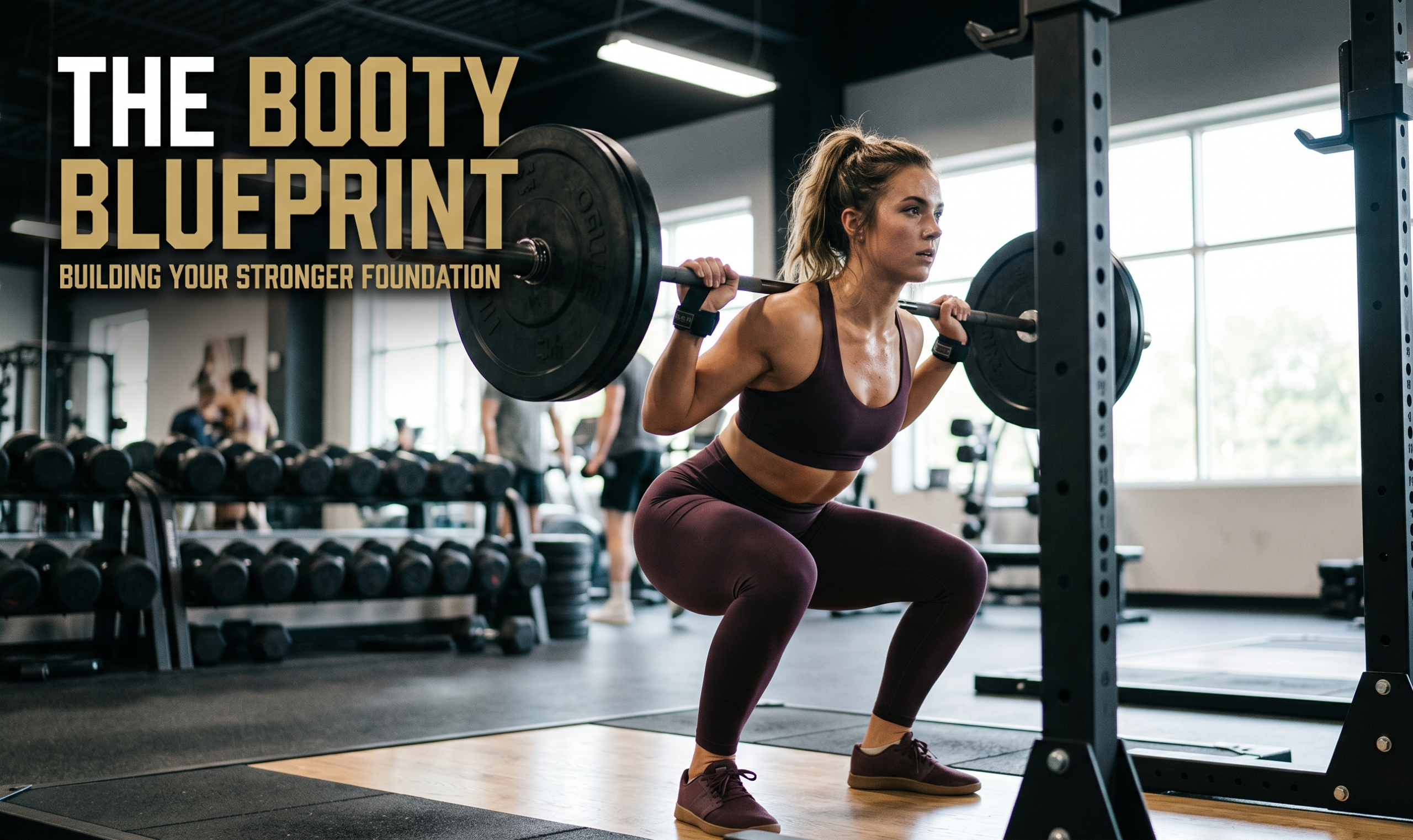
Achieving a firm and powerful lower body is a top priority for many women in the fitness community. Beyond the obvious aesthetic appeal, developing strong gluteal muscles is essential for overall health, posture, and athletic performance. The glutes are the largest and most powerful muscle group in the human body, acting as the engine for movement, stability, and power.
This article provides a comprehensive roadmap for any woman looking to transform her lower body through science based training and strategic nutrition. We will explore the anatomy of the glutes, the most effective exercises for growth, and the lifestyle habits that ensure long term success.
To build an effective blueprint, you must first understand the structure of the muscles you are targeting. The “booty” is not just one muscle; it is a complex of three distinct muscles that work together to move your hips and stabilize your core.
Understanding the Anatomy of the Glutes
To build an effective blueprint, you must first understand the structure of the muscles you are targeting. The “booty” is not just one muscle; it is a complex of three distinct muscles that work together to move your hips and stabilize your core.
-
The Gluteus Maximus: This is the largest muscle in the group and the one most responsible for the overall shape and size of the posterior. Its primary function is hip extension, such as when you stand up from a squat or push off the ground while running.
-
The Gluteus Medius: Located on the outer side of the pelvis, this muscle is crucial for hip abduction (moving the leg away from the midline) and rotation. It gives the hips a rounded, “shelf” look from the side and back.
-
The Gluteus Minimus: This is the smallest of the three, sitting deep beneath the medius. It assists in stabilization and helps maintain a smooth, functional stride.
A successful program must target all three of these muscles from various angles to ensure balanced growth and a symmetrical appearance.
The Foundation of Growth: Progressive Overload
The most common mistake people make when trying to build muscle is sticking to the same weights and repetitions for too long. To force your muscles to grow, you must apply the principle of progressive overload. This means consistently challenging your body by increasing the demands of your workouts over time.
You can achieve progressive overload by:
-
Increasing the weight you lift.
-
Performing more repetitions with the same weight.
-
Reducing the rest time between sets.
-
Improving your form and mind to muscle connection.
-
Increasing the total volume of sets per week.
Without this constant progression, your body has no reason to adapt and grow stronger.
The Essential Glute Building Exercises
The Booty Blueprint relies on a selection of high impact movements that provide the greatest return on investment. These exercises are categorized into compound movements (which use multiple joints) and isolation movements (which focus on a specific muscle).
1. The Barbell Hip Thrust
Often called the “king” of glute exercises, the hip thrust provides maximum tension on the gluteus maximus at the top of the movement. Unlike the squat, which is limited by lower back or quad strength, the hip thrust allows you to isolate the hips and move heavy loads safely.
2. The Romanian Deadlift (RDL)
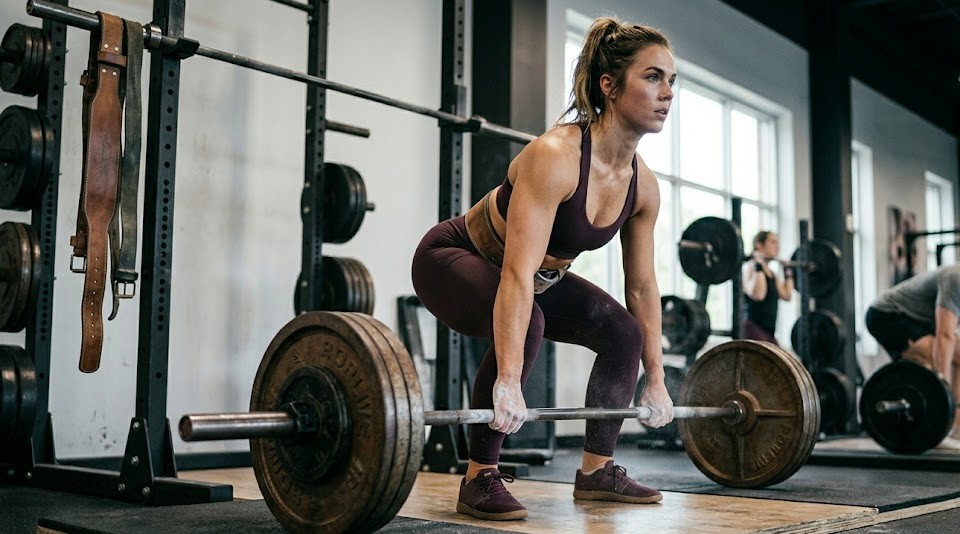
The RDL is a powerhouse for the “glute ham tie in,” the area where the glutes meet the hamstrings. By focusing on a hip hinge movement and keeping a slight bend in the knees, you stretch the muscle fibers under load, creating significant micro tears that lead to growth.
3. Bulgarian Split Squats
While often a love hate relationship for most gym goers, the Bulgarian split squat is unrivaled for unilateral (single leg) strength. It forces each side of the body to work independently, correcting muscle imbalances and deeply taxing the glute medius for stability.
4. Cable Kickbacks
This isolation move is perfect for finishing a workout. By using a cable machine, you maintain constant tension throughout the entire range of motion. This is an excellent way to target the upper glute and achieve that desired “lifted” look.
5. Abductions (Machine or Banded)
To round out the hips, you must move laterally. Seated hip abductions or standing lateral raises with resistance bands specifically target the gluteus medius and minimus, filling out the sides of the glutes.
Structuring Your Training Week
Consistency is the secret to transformation. For optimal results, aim to train your lower body two to three times per week. This allows for sufficient stimulation while providing forty eight to seventy two hours of recovery between sessions.
A sample week might look like this:
-
Monday: Heavy Glute Focus (Hip Thrusts, RDLs, Kickbacks)
-
Tuesday: Upper Body or Active Recovery
-
Wednesday: Glute and Quad Focus (Squats, Split Squats, Leg Press)
-
Thursday: Rest or Yoga
-
Friday: Glute and Hamstring Focus (Deadlifts, Hamstring Curls, Abductions)
-
Weekend: Active rest such as walking or light hiking.
Nutrition: Fueling the Gainsk
You cannot build a house without bricks, and you cannot build muscle without proper nutrition. To support the growth of your glutes, you must eat in a way that promotes recovery and muscle protein synthesis.
The Importance of Protein
Protein provides the amino acids necessary for repairing muscle tissue. Aim for a high protein intake, roughly one gram of protein per pound of body weight. Excellent sources include lean meats, fish, eggs, Greek yogurt, and plant based options like lentils and hemp seeds.
Carbs for Energy
Carbohydrates are your primary fuel source for intense lifting sessions. Do not fear them. Complex carbs like oats, brown rice, and berries provide the steady energy needed to power through heavy sets of hip thrusts and deadlifts.
Healthy Fats
Fats are essential for hormone production, including those that help build muscle and burn fat. Include avocados, nuts, seeds, and olive oil in your daily meals to keep your endocrine system functioning optimally.
The Mind to Muscle Connection
Building the booty is as much a mental game as a physical one. Many women find that their quads or lower backs take over during lower body movements. To fix this, you must develop a strong mind to muscle connection.
Before you start your heavy lifts, perform “activation” drills. Light movements like glute bridges or “clamshells” with a resistance band help “wake up” the nerves in your glutes. During your main lifts, focus on squeezing the glutes as hard as possible at the top of every rep. If you cannot feel the muscle working, lower the weight and focus on the quality of the contraction.
Recovery and Sleep
Muscle growth happens when you are resting, not while you are in the gym. If you are constantly training without adequate sleep, your cortisol levels will rise, which can actually hinder muscle growth and encourage fat storage around the midsection.
Prioritize seven to nine hours of quality sleep each night. Additionally, manage stress through meditation or light walking, as a calm body is much better at recovering from the physical stress of weightlifting.
Tracking Your Progress
The scale is a poor tool for measuring muscle growth. Since muscle is more dense than fat, you might find that your weight stays the same even as your body composition changes dramatically.
Instead, track your progress using:
-
Photos: Take monthly progress pictures from the front, side, and back.
-
Measurements: Use a tape measure to track the circumference of your hips and thighs.
-
Strength Gains: Keep a workout log. If you are lifting more weight today than you were last month, you are moving in the right direction.
Common Myths to Ignore
In the world of fitness social media, there is a lot of misinformation. Here are a few things to ignore:
-
“High reps for toning”: Low weight and high reps build endurance, but moderate to heavy weights are what actually build the shape of the muscle.
-
“Specific teas or creams”: No topical product or drink can grow muscle or target fat loss in one specific area. Only training and nutrition can do that.
-
“Cardio only”: While cardio is great for heart health, doing too much of it can actually make it harder to build muscle if you are not eating enough to compensate for the burned calories.
Final Thoughts on the Journey
Building your ultimate lower body is a marathon, not a sprint. It requires patience, grit, and a willingness to show up even on days when you feel tired. By following this blueprint, you are moving away from “quick fixes” and toward a sustainable, powerful physique that you can be proud of.
Remember that every woman’s body is unique. Your genetics will play a role in your specific shape, but everyone has the capacity to get stronger and more defined. Embrace the process, celebrate your strength gains, and keep pushing toward your goals.
About the Author