As Russia intensifies its winter campaign of drone and missile strikes across Ukraine, millions of civilians find themselves pushed to the edge of survival. Critical energy infrastructure — including power stations, heating networks, and electrical substations — has been repeatedly targeted, leaving large sections of the country cold, dark, and struggling to maintain basic services. With temperatures falling well below freezing, Ukraine faces one of its most challenging periods since the war began.
A Winter of Relentless Strikes
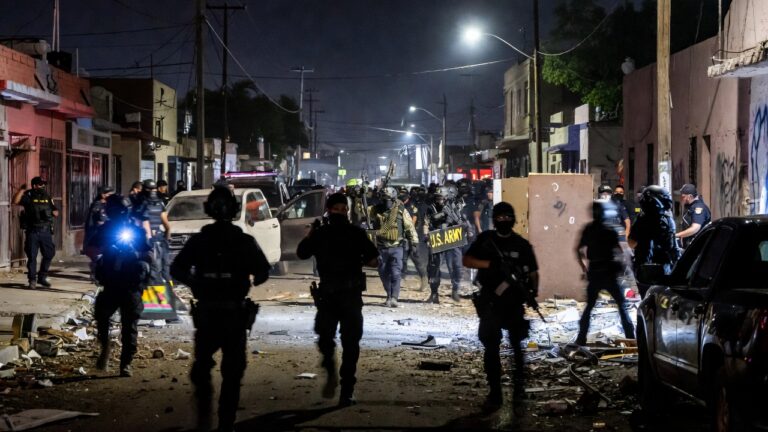
January 2026 has seen a sharp escalation in Russian attacks. Dozens of large-scale drone swarms and missile barrages have hit major urban centers such as Kyiv, Kharkiv, Dnipro, Sumy, Odesa, and Zaporizhzhia. These strikes have caused widespread destruction, killing civilians and severely damaging the already fragile energy grid.
Ukrainian officials report that Russia launched hundreds of explosive drones in recent attacks alone — each aimed at weakening the country’s ability to provide heat and electricity during the most critical phase of winter. The bombardments forced prolonged blackouts, leaving neighborhoods in complete darkness and disrupting essential services.
Energy Grid on the Edge of Collapse
Ukraine’s power system has been under constant attack for more than two years, but the recent wave stands out for its intensity and timing. Many of the facilities hit — transformers, distribution lines, and heating plants — take months to repair and require complex imported components.
Kyiv’s mayor recently stated that the capital has access to only half of the electricity it needs, forcing emergency rationing. Power is directed first to hospitals, schools, water treatment facilities, and other vital services, while residential districts often face rolling blackouts lasting several hours or even days.
Energy officials warn that the grid is at a breaking point. Repeated damage to the same areas, combined with extreme winter weather, has created a cycle where repairs can barely keep pace with new strikes.
Humanitarian Conditions Worsen in the Cold
For ordinary Ukrainians, the impact is devastating.
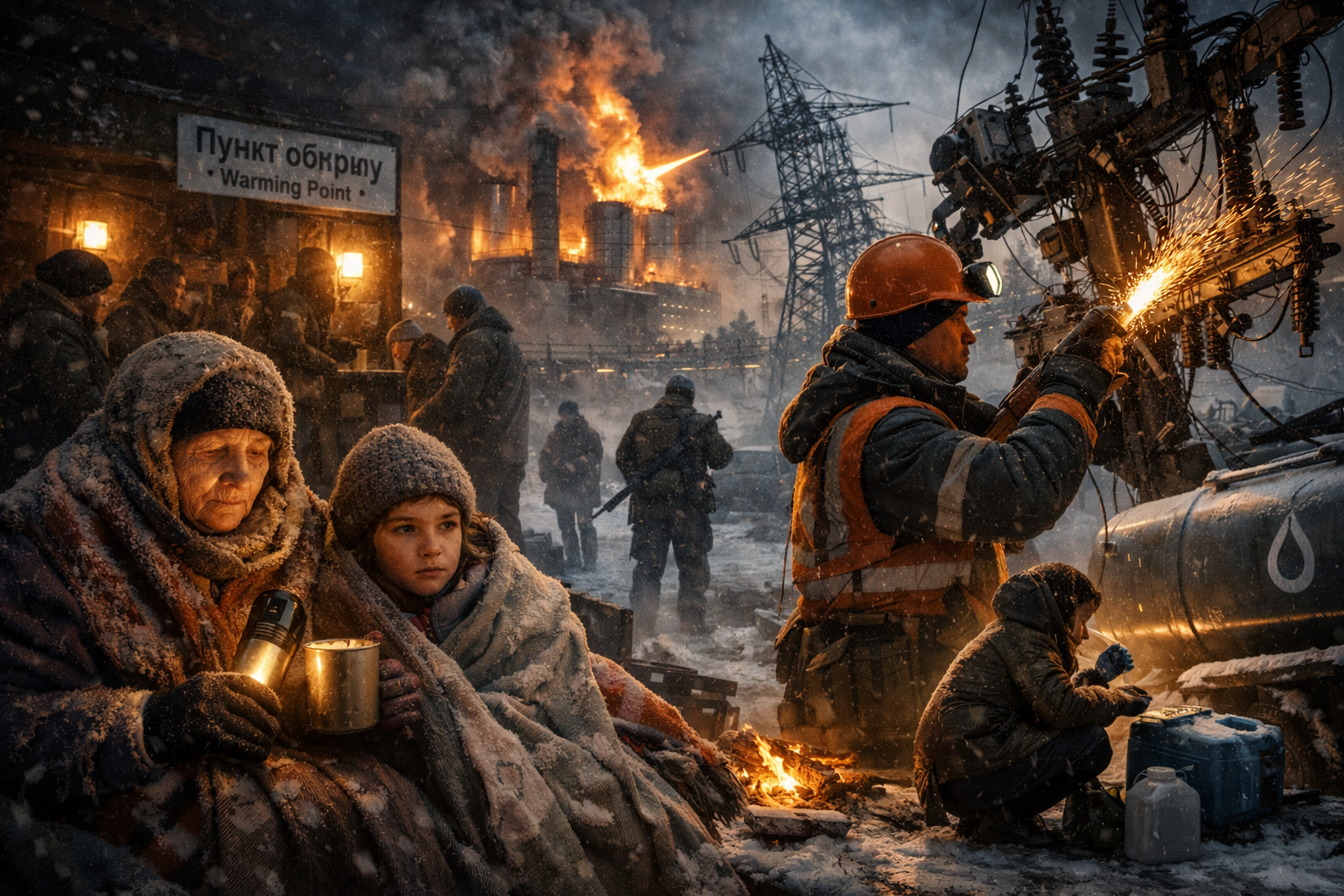
Families rely on makeshift heaters, gas burners, and wood stoves to stay warm. Emergency “warming centers” have been set up across cities, offering electricity, light, and hot drinks to those without heat. Elderly people and children are especially vulnerable, with cold-related illnesses already rising.
Hospitals have shifted to backup generators, which are not always stable for long operations. Schools struggle to remain open, and many children are forced into remote learning — an increasingly difficult task with limited power and internet access.
In many regions, residents line up to collect water from emergency tanks when pumps fail due to power outages.
A Civilian Population Under Strategic Attack
Analysts say that Russia’s winter strikes aim to undermine morale and force Ukraine into concessions. By disrupting everyday life — heat, light, water, transport — Russia seeks to apply pressure beyond the battlefield, hoping to test the resilience of the civilian population.
Despite the hardships, Ukrainian communities continue to show remarkable endurance. Volunteers deliver firewood, distribute warm clothing, and organize shelter for those affected. Yet fatigue is growing, and international aid organizations warn that the situation could worsen if attacks persist.
Global Response and Calls for Support
The international community has condemned the targeting of critical infrastructure. G7 nations have called the strikes “deliberately cruel,” emphasizing their impact on civilians. Ukraine continues to request additional air defense systems, spare electrical components, and emergency energy supplies.
European countries have stepped in with generators, transformers, and technical teams, but restoring the grid fully will require long-term investment and stable conditions — both difficult to achieve amid ongoing attacks.
A Nation Fighting Through Darkness
As Ukraine endures one of its toughest winters, the resilience of its people remains at the forefront. Households light candles, community centers open their doors, and emergency workers risk their lives to repair damaged lines even during active strikes.
But the situation remains fragile. Continued attacks on infrastructure threaten not only daily survival but also the country’s long-term recovery and stability. The coming weeks will be crucial as temperatures remain cold and the risk of further strikes continues.