In an era where stress, anxiety, and burnout are increasingly common, prioritizing mental health has never been more essential. Mental health isn’t just the absence of illness; it’s about cultivating a state of emotional balance, resilience, and overall well-being. While professional help is crucial for serious conditions, incorporating natural daily habits can significantly enhance your mental state. These habits, rooted in science and everyday practices, help regulate mood, reduce stress hormones, and foster a positive mindset without relying on medications or complex interventions.
This article explores 10 evidence-based daily habits that can naturally improve mental health. Drawing from expert recommendations and research, each habit is explained with practical tips, benefits, and implementation strategies. By integrating these into your routine, you can experience improved focus, better sleep, and greater emotional stability. Whether you’re dealing with daily stressors or seeking preventive measures, these habits offer a holistic approach. Remember, consistency is key—start small and build over time. Let’s dive in and discover how simple changes can lead to profound transformations.
1. Prioritize Quality Sleep: The Foundation of Mental Clarity
Sleep is the cornerstone of mental health, acting as a reset button for the brain. Adults should aim for 7-9 hours of uninterrupted sleep nightly to allow the body to repair and the mind to process emotions. During sleep, the brain consolidates memories, regulates mood, and reduces cortisol levels, the hormone associated with stress. Chronic sleep deprivation can lead to irritability, anxiety, and even depression, as it disrupts neurotransmitter balance like serotonin and dopamine.
To incorporate this habit naturally, establish a consistent sleep schedule by going to bed and waking up at the same time daily, even on weekends. Create a calming bedtime routine: dim lights an hour before bed, avoid screens to minimize blue light interference, and opt for relaxing activities like reading or herbal tea. Your bedroom should be cool, dark, and quiet—consider using earplugs or a white noise machine. If racing thoughts keep you awake, try a brief journaling session to offload worries.
Research shows that improving sleep hygiene can enhance cognitive function and emotional resilience within weeks. Start by tracking your sleep with a simple app or notebook to identify patterns. Over time, better sleep will naturally boost your energy, focus, and ability to handle daily challenges, making it a non-negotiable habit for mental well-being.
2. Engage in Daily Physical Activity: Boost Endorphins and Reduce Stress
Movement is medicine for the mind. Just 30 minutes of moderate exercise daily can release endorphins, the body’s natural mood elevators, while lowering anxiety and depression symptoms. Physical activity increases blood flow to the brain, promoting neurogenesis—the growth of new brain cells—and improving overall cognitive health. It’s particularly effective for managing stress, as it mimics the “fight or flight” response in a controlled way, helping to dissipate built-up tension.
Choose activities you enjoy to make this habit sustainable: a brisk walk in the park, yoga, cycling, or dancing to your favorite music. No gym membership required—bodyweight exercises like squats or jumping jacks work wonders at home. Aim for a mix of cardio, strength, and flexibility to keep things varied and engaging. If you’re new to exercise, start with 10-minute sessions and gradually increase.
Studies indicate that regular movers report higher life satisfaction and lower rates of mental health disorders. Track your progress with a fitness app to stay motivated. By making movement a daily ritual, you’ll not only strengthen your body but also build mental fortitude, turning exercise into a joyful anchor for your well-being.
3. Nourish Your Body with a Balanced Diet: Fuel for Emotional Stability
What you eat directly influences how you feel. A diet rich in whole foods—fruits, vegetables, lean proteins, and healthy fats—supports brain health by providing essential nutrients like omega-3s, which reduce inflammation and stabilize mood. Foods high in antioxidants, such as berries and leafy greens, combat oxidative stress linked to anxiety, while complex carbs from whole grains maintain steady blood sugar levels, preventing mood swings.
Incorporate this habit by planning meals around nutrient-dense options: start your day with oatmeal topped with nuts and fruits, snack on yogurt with seeds, and include fatty fish like salmon twice a week. Avoid excessive sugar and processed foods, which can cause energy crashes and irritability. Hydrate with water infused with lemon or herbs for added flavor.
Evidence from nutritional psychiatry shows that Mediterranean-style diets correlate with lower depression rates. Experiment with recipes to keep it fun, and mindful eating—savoring each bite without distractions—enhances the benefits. Over time, this habit will sharpen your focus, elevate your mood, and create a positive feedback loop for mental health.
4. Practice Mindfulness or Meditation: Cultivate Present-Moment Awareness
Mindfulness involves focusing on the present, reducing the mental clutter of worries about the past or future. Daily meditation, even for 5-10 minutes, can rewire the brain to handle stress better by strengthening the prefrontal cortex, responsible for emotional regulation. It lowers amygdala activity, the fear center, leading to decreased anxiety and improved sleep.
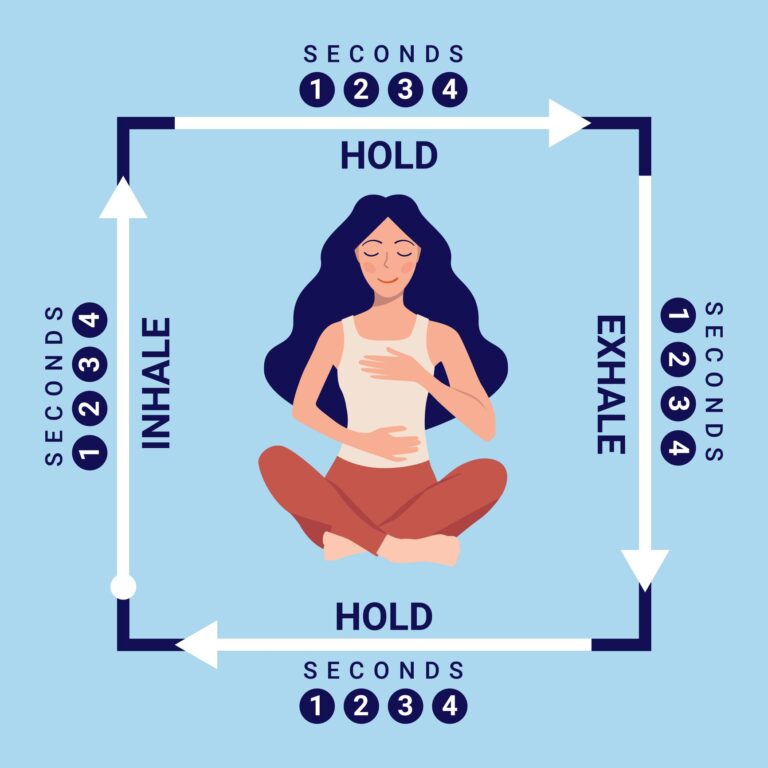
Begin with guided apps like Headspace or simple breathing exercises: inhale for four counts, hold for four, exhale for four. Practice during routine activities, like mindful walking or eating. Set a daily reminder to pause and observe your thoughts without judgment.
Research highlights that consistent mindfulness reduces symptoms of PTSD and enhances overall life quality. As you build this habit, you’ll notice greater calm, better decision-making, and a deeper sense of peace, making it a powerful tool for natural mental health improvement.
5. Express Gratitude Daily: Shift Focus to Positivity
Gratitude journaling rewires the brain toward optimism, increasing dopamine and serotonin levels for a natural antidepressant effect. By acknowledging three things you’re thankful for each day, you train your mind to spot positives, reducing negativity bias and boosting resilience against stress.
Make it a ritual: jot down entries in a notebook before bed or during breakfast. Be specific—e.g., “I’m grateful for the supportive conversation with a friend”—to deepen the impact. Share gratitudes with loved ones for amplified benefits.
Studies show gratitude practitioners experience less envy and more happiness. This simple habit fosters contentment, strengthens relationships, and provides a buffer against life’s ups and downs.
6. Stay Hydrated: Essential for Cognitive Function and Mood
Dehydration affects brain function, leading to fatigue, headaches, and irritability. Drinking adequate water—about 8-10 glasses daily—maintains electrolyte balance, supports neurotransmitter production, and enhances concentration.
Carry a reusable bottle and sip throughout the day; add fruits for taste. Monitor urine color for hydration levels—pale yellow is ideal.
Hydration links to better mood and reduced anxiety, per research. This effortless habit sharpens mental clarity and prevents subtle drains on well-being.
7. Foster Social Connections: Build a Support Network
Humans are social beings; regular interactions combat loneliness, a major mental health risk factor. Meaningful conversations release oxytocin, promoting trust and reducing cortisol.
Call a friend, join a club, or chat with neighbors daily. Quality over quantity—focus on genuine bonds.
Evidence shows strong social ties lower depression rates and enhance longevity. This habit provides emotional support and a sense of belonging.
8. Spend Time in Nature: Reconnect with the Outdoors
Nature exposure, or “forest bathing,” reduces stress hormones and boosts mood through sensory stimulation and vitamin D from sunlight.
Aim for 20-30 minutes outdoors: walk in a park or garden. Observe surroundings mindfully.
Studies confirm nature time alleviates anxiety and improves attention. This habit grounds you, offering perspective and renewal.
9. Limit Screen Time: Protect Against Digital Overload
Excessive screens disrupt sleep and increase comparison-induced stress. Set boundaries: no devices an hour before bed, use apps to track usage.
Replace scrolling with hobbies like reading or crafting.
Reducing screen time improves focus and satisfaction, research suggests. This creates space for real-life joys.
10. Set Daily Intentions and Reflect: Guide Your Day with Purpose
Starting with intentions and ending with reflection provides structure and closure, reducing overwhelm.
Morning: note one goal; evening: review achievements and lessons.
This builds self-awareness and accomplishment. Over time, it enhances motivation and mental agility.
Conclusion: Embracing Habits for Lasting Mental Health
Incorporating these 10 habits—sleep, exercise, nutrition, mindfulness, gratitude, hydration, connections, nature, screen limits, and reflection—creates a robust framework for natural mental health improvement. They’re interconnected: better sleep aids exercise, gratitude enhances connections. Start with 2-3, track progress, and adjust. Consult professionals if needed, but these practices empower self-care. With consistency, you’ll cultivate resilience, joy, and balance in a demanding world. Your mental health is worth the investment—begin today