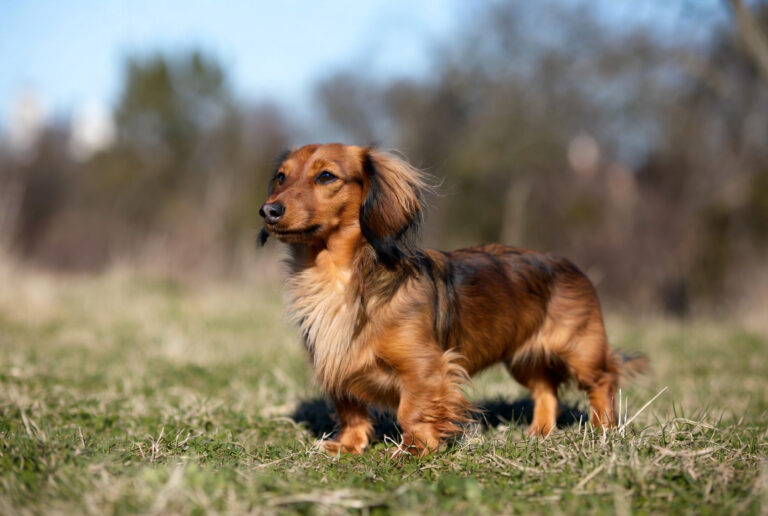
Dachshunds—affectionately known as wiener dogs, sausage dogs, or Doxies—are one of the most recognizable and beloved dog breeds in the world. Their long bodies, short legs, big personalities, and expressive eyes make them irresistible to millions of pet lovers. But beneath their adorable appearance is a unique breed with very specific care needs. Because of their long spine, strong prey drive, and independent nature, Dachshunds require thoughtful, attentive care in order to live safe, healthy, and happy lives.
This ultimate care guide covers everything you need to know—from nutrition and grooming to exercise, training, and long-term health tips. Whether you’re a new Dachshund owner or a long-time Doxie lover, this detailed guide will help you give your dog the best life possible.
1. Understanding the Dachshund Breed
Before diving into care tips, it’s essential to understand the Dachshund’s background and personality.
A Hunting Heritage
Dachshunds were originally bred in Germany to hunt badgers, rabbits, and other burrowing animals. Their long bodies and powerful front legs allow them to dig, chase, and maneuver underground tunnels. Because of their hunting heritage, Dachshunds are:
-
Energetic
-
Bold and confident
-
Strong-willed and independent
-
Extremely loyal
-
Always ready for adventure
Understanding this instinctive nature helps guide decisions around exercise, training, and mental stimulation.
Three Coat Types
Dachshunds come in three varieties, each with different grooming needs:
-
Smooth-coated: Sleek, shiny, low-shedding fur
-
Wire-haired: Double coat with a wiry outer layer
-
Long-haired: Silky, flowing coat that requires regular brushing
They also come in two sizes:
-
Standard Dachshund: 16–32 lbs
-
Miniature Dachshund: Under 11 lbs
Each size has unique dietary and exercise requirements.
2. Optimal Nutrition for a Healthy Dachshund
Nutrition is one of the most important aspects of Dachshund care. Because this breed is prone to obesity and spinal issues, proper feeding is essential for long-term health.
Choose High-Quality Dog Food
A well-balanced diet for Dachshunds should include:
-
Lean animal proteins (chicken, turkey, beef, fish)
-
Healthy fats (omega-3 for skin and coat health)
-
Controlled carbohydrates
-
Joint-supporting nutrients
-
Vitamins & minerals
Look for dog food formulas with real meat listed as the first ingredient and avoid foods with excessive fillers such as corn, wheat, and soy.
Portion Control Is Critical
Dachshunds gain weight easily, and even a small amount of extra body fat puts immense pressure on their long spine. Avoid free-feeding—always measure meals.
General feeding guidelines:
-
Mini Dachshund: ½–1 cup per day (split into 2 meals)
-
Standard Dachshund: 1–1.5 cups per day (split into 2 meals)
-
Puppies: 3–4 smaller meals per day
Because caloric needs vary, monitor your dog’s waistline and adjust portions accordingly.
Foods That Support Joint Health
Since Dachshunds are susceptible to intervertebral disc disease (IVDD), choose foods or supplements containing:
-
Glucosamine
-
Chondroitin
-
Omega-3 fatty acids
-
Collagen
These nutrients help support cartilage, reduce inflammation, and protect spinal discs.
Healthy Treat Options
Keep treats under 10% of daily caloric intake. Best options include:
-
Carrot sticks
-
Sweet potato bites
-
Apple slices (no seeds)
-
Freeze-dried meat treats
-
Commercial low-calorie dog treats
Avoid high-fat or processed human foods.
Water Intake
Always provide fresh, clean water. Dachshunds are active little dogs, so hydration plays a key role in joint health and energy levels.
3. Exercise Needs for Dachshunds
Despite their small size, Dachshunds are energetic hunters with a desire to explore and move. However, they must exercise safely to protect their long backs.
Daily Exercise Requirements
Ideal activity levels:
-
Adult Dachshund: 45–60 minutes per day
-
Puppy: 5 minutes per month of age, twice a day
-
Senior Dachshund: 20–40 minutes (gentle, low-impact movement)
Avoid overexertion, especially for puppies whose bones and joints are still developing.
Safe Exercise Activities
The best Dachshund-friendly activities include:
-
Leash walks
-
Slow jogging (short distances only)
-
Indoor or backyard exploration
-
Nose work games
-
Fetch on flat surfaces
-
Swimming (great for joints)
-
Soft tug-of-war (gentle, not hard pulls)
Exercises to Avoid
To prevent injury, never allow your Dachshund to:
-
Jump off furniture
-
Run up or down stairs repeatedly
-
Participate in high-impact agility
-
Wrestle roughly with larger dogs
-
Stand on hind legs for long periods
Repetitive impact can cause disc damage over time.
Mental Exercise Matters
Dachshunds have intelligent, curious minds and need mental stimulation daily.
Effective enrichment activities include:
-
Puzzle toys
-
Food-dispensing balls
-
Snuffle mats
-
Hide-and-seek games
-
Training sessions
-
Scent-tracking activities
A mentally stimulated Dachshund is happier, healthier, and less likely to engage in destructive behaviors.
4. Grooming Guide for Dachshunds
Dachshund grooming varies depending on coat type, but all require regular care to maintain skin and coat health.
Smooth-Coated Dachshunds
Needs: Low maintenance
-
Brush once per week
-
Wipe with a damp cloth to remove loose hairs
-
Bathe every 4–6 weeks
-
Monitor skin for dryness or allergies
Smooth coats shed moderately and are easiest to care for.
Long-Haired Dachshunds
Needs: Moderate–High maintenance
-
Brush 3–4 times per week
-
Prevent mats behind ears, chest, and belly
-
Trim feathered areas when needed
-
Use detangling spray for knots
-
Bathe every 4–6 weeks
Their silky fur can mat quickly without regular brushing.
Wire-Haired Dachshunds
Needs: Highest maintenance
-
Brush 2–3 times weekly
-
Professional hand-stripping 2–3 times a year
-
Trim beard and eyebrows
-
Bathe every 4–8 weeks
Wire coats require specialized care, especially for show-quality dogs.
Nail Trimming
Trim nails every 2–4 weeks. Long nails can cause painful walking and misalignment of the spine over time.
Ear Cleaning
Dachshunds have floppy ears that trap moisture and debris.
Clean ears every 1–2 weeks using:
-
Dog-approved ear cleaner
-
Cotton pads (never Q-tips deep inside the canal)
Watch for redness or odor—these may indicate infection.
Dental Care
Dachshunds are prone to dental problems. Brush teeth 3–4 times a week, or ideally daily.
Use:
-
Dog-safe toothpaste
-
Dental wipes
-
Dental chews (low calorie)
Regular dental care helps prevent expensive vet bills later.
5. Dachshund Health Tips & Common Medical Issues
Dachshunds tend to live long lives—12 to 16 years is common. But they also face breed-specific health challenges.
Here are the most important ones and how to manage or prevent them.
Intervertebral Disc Disease (IVDD)
This is the most significant health risk for Dachshunds. IVDD occurs when spinal discs bulge or rupture, causing pain, nerve damage, or paralysis.
Symptoms to Watch For:
-
Hesitation to jump
-
Back pain or stiffness
-
Yelping when touched
-
Arched back
-
Wobbly walking
-
Dragging legs
-
Difficulty standing
Prevention Tips:
-
Keep your Dachshund at a healthy weight
-
Use ramps for furniture access
-
Avoid stairs
-
No jumping on/off beds
-
Provide orthopedic beds
-
Use a harness instead of a collar
-
Strength-building low-impact exercises
IVDD can be managed or prevented through careful lifestyle choices.
Obesity
Overweight Dachshunds face:
-
Increased IVDD risk
-
Heart disease
-
Joint issues
-
Diabetes
Control portions, avoid table scraps, and maintain daily exercise.
Dental Disease
Small breeds often suffer from periodontal issues. Routine brushing and yearly professional cleanings help prevent tooth decay.
Allergies
Dachshunds may experience:
-
Food allergies
-
Seasonal allergies
-
Skin sensitivities
Symptoms include itching, licking, redness, or ear infections. Work with your vet to identify triggers.
Diabetes & Thyroid Issues
Monitor for:
-
Excessive thirst
-
Sudden weight changes
-
Fatigue
-
Increased urination
Proper diet and early detection are key to management.
Patellar Luxation
This knee condition can cause sudden limping or skipping when walking. Weight management helps reduce strain.
Heart Disease
Older Dachshunds may develop heart murmurs or valvular disease. Annual vet checkups allow for early detection and treatment.
6. Training Tips for Dachshunds
Dachshunds are intelligent but stubborn. They respond best to positive reinforcement and consistency.
Potty Training
-
Use a regular schedule
-
Reward immediately after successful potty
-
Avoid punishment—Dachshunds can become fearful
-
Crate training supports potty routines
Leash Training
Because of their hunting instincts, Dachshunds may pull or chase smells.
Use:
-
A comfortable harness
-
Treats for good behavior
-
Short sessions at first
Obedience Training
Teach essential commands:
-
Sit
-
Stay
-
Come
-
Leave it
-
Down
Short, fun training sessions work best.
Socialization
Expose your Dachshund to:
-
People
-
Children
-
Other animals
-
Different environments
-
New sounds
Early socialization helps reduce barking, anxiety, and reactivity.
7. Creating a Safe Home for Your Dachshund
Your home environment plays a major role in your Dachshund’s health.
Use Ramps
Place ramps next to:
-
Couches
-
Beds
-
High steps
-
Outdoor porches
Ramps significantly reduce IVDD-related risks.
Secure Stairs
Block access with baby gates to prevent running or jumping down stairs.
Provide Comfortable Bedding
Supportive, orthopedic beds help protect the spine.
Keep Floors Non-Slip
Consider:
-
Rugs
-
Carpet runners
-
Traction mats
They help prevent slipping, which can strain the back.
8. Social Needs & Companionship
Dachshunds are extremely loyal and bond closely with their families. However, they can develop separation anxiety if left alone too long.
Best Practices:
-
Provide puzzle toys during alone time
-
Avoid long hours alone (5–6 hours max)
-
Consider a second dog for companionship
-
Create a calm, safe space for resting
A well-adjusted Dachshund is confident, less noisy, and emotionally healthier.
Conclusion: Giving Your Dachshund the Best Life Possible
Dachshunds may be small, but they have huge hearts, bold personalities, and a fierce loyalty that makes them unforgettable companions. With proper nutrition, safe exercise, consistent grooming, and proactive health care, your Dachshund can enjoy a long, active, and joyful life.
By understanding their unique anatomy and instincts, you can make lifestyle choices that protect them from injury and help them thrive physically and mentally. A well-cared-for Dachshund is playful, affectionate, brave, and devoted—everything a loving dog owner could hope for.