Many people judge a dog’s potential danger based on its size, appearance, or media portrayal. Large, muscular breeds often get labeled as threats, while smaller or friendlier-looking ones fly under the radar. However, “deceptively dangerous” breeds are those that surprise people with their capacity for aggression, serious bites, or even fatalities—despite a cute appearance, small size, reputation as family pets, or less intimidating look. Aggression in any dog stems from factors like poor socialization, training, ownership, genetics, and environment, not just breed. No breed is inherently evil, but statistics on bites and attacks reveal patterns.
This article draws from dog bite reports, fatal attack data (e.g., from sources like DogsBite.org, insurance claims, and veterinary studies), and behavioral surveys (such as the 2008 University of Pennsylvania study in Applied Animal Behavior Science). It highlights breeds that are underestimated in risk—either because they’re small (less likely to cause fatal harm but high in bite frequency), appear harmless, or have a positive public image masking statistical involvement in incidents.
Here are the top 10 deceptively dangerous dog breeds, ranked roughly by how surprisingly high their risk appears relative to public perception.
1. Chihuahua
These tiny “purse dogs” top many lists for aggression toward strangers, other dogs, and even owners. A famous behavioral study found Chihuahuas among the most likely to bite or snap, often due to “small dog syndrome”—fear-based reactivity amplified by overprotectiveness and lack of boundaries. While fatalities are rare (their jaws can’t inflict massive damage), they cause numerous bites annually, especially to hands, faces, and ankles. Many owners underestimate them because of their adorable size and big-eyed charm.
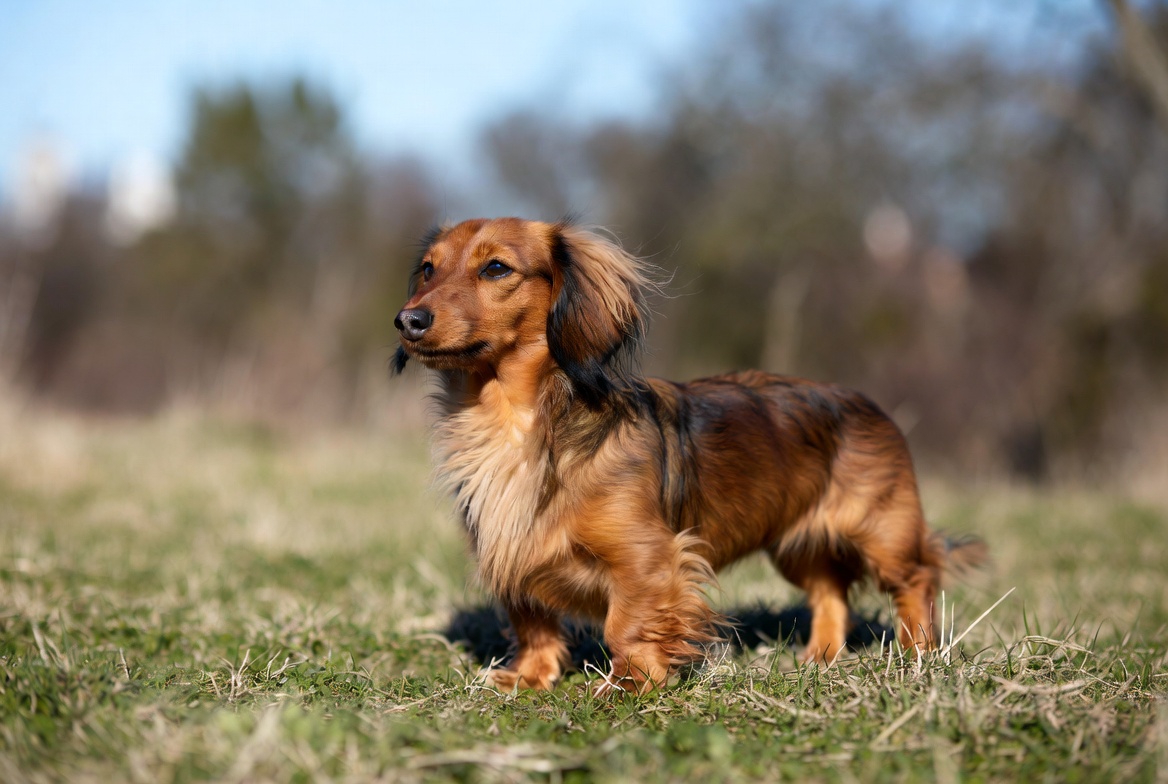
2. Dachshund
The “wiener dog” surprisingly ranked #1 in aggression in the University of Pennsylvania study—one in five reportedly bit or tried to bite strangers or other dogs, and one in 12 snapped at owners. Their bold, tenacious hunting heritage (bred to go after badgers) combines with a stubborn streak. They often get a pass as comical lap dogs, but they can deliver painful bites and hold on fiercely.
3. Jack Russell Terrier (and related terriers)
These high-energy, fearless little hunters have a reputation for tenacity that crosses into aggression when bored, unsocialized, or challenged. They’re known for nipping, lunging, and not backing down—despite weighing under 20 pounds. Stories abound of Jack Russells attacking larger dogs or people who invade their space, yet they’re seen as plucky family pets.
4. Pomeranian
Fluffy, fox-like faces make Poms seem like harmless toys, but they rank high in small-breed aggression surveys. They can be territorial, nippy, and quick to defend their owners or personal space. Their small size means bites rarely kill, but they cause eye injuries, facial wounds, and even contribute to severe attacks in packs.
5. Chow Chow
With their teddy-bear looks, purple tongues, and fluffy coats, Chows appear cuddly—but they’re independent, aloof, and often territorial with strangers. They’re linked to serious bites and some fatalities, especially when poorly socialized. Their lion-like mane hides a protective nature that surprises people expecting a gentle giant (they’re medium-sized but look softer).
6. Cocker Spaniel
The “sweet” family dog from classic stories like Lady and the Tramp has a documented “rage syndrome” issue in some lines—sudden, unprovoked aggression. They appear gentle and affectionate, yet behavioral data and bite reports show higher-than-expected aggression toward owners and strangers.
7. Labrador Retriever
Labs top popularity charts as friendly, family-oriented dogs—but they’re involved in notable bite incidents and even fatalities (though lower percentage-wise). Their size and strength mean a bite can cause serious harm, especially in poorly trained or anxious individuals. People let their guard down around “the perfect family dog.”
8. German Shepherd
Often heroes in police and military roles, they have a loyal, intelligent image. Yet they’re consistently in top-10 lists for serious bites and fatalities (e.g., 20+ deaths in some U.S. datasets from 2005–2019). Their protective instincts can turn intense without proper training, surprising those who see them as noble rather than potentially dominant.
9. Akita
These majestic, bear-like Japanese dogs look dignified and loyal (think Hachiko). But they’re strong-willed, protective, and can be aggressive toward strangers or other animals if not heavily socialized. They’re involved in serious incidents, yet their calm demeanor deceives people into thinking they’re always gentle giants.
10. Siberian Husky
Huskies’ wolf-like beauty and playful, sled-dog reputation make them seem fun-loving escape artists—not threats. However, they’re linked to fatalities and serious attacks, often due to high prey drive, pack mentality, and poor recall. People adopt them for their looks without realizing their independent, sometimes predatory nature.