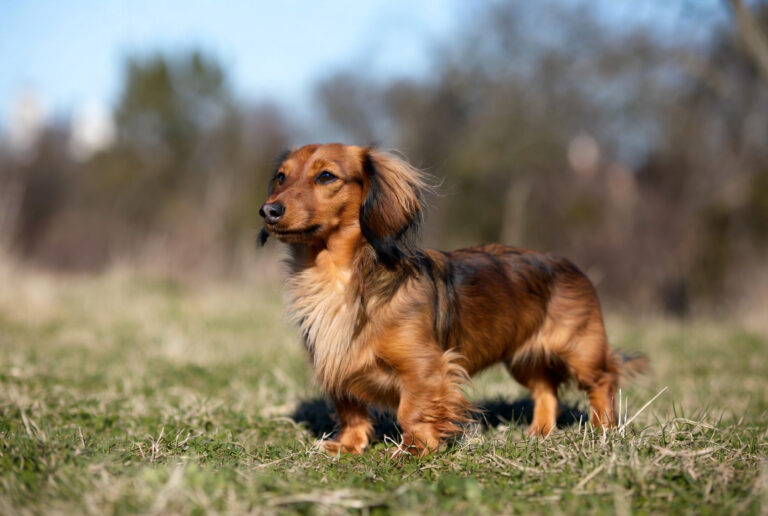
Dachshunds, affectionately known as “wiener dogs” or “sausage dogs,” are one of the most distinctive and endearing dog breeds in the world. Their long, low-slung bodies, short legs, and expressive faces make them instantly recognizable and endlessly photogenic. Despite their comical appearance, Dachshunds are courageous, intelligent, and full of personality. Originally bred in Germany for hunting, these tenacious little dogs have evolved into beloved family companions that bring joy, laughter, and loyalty to households everywhere.Whether you’re considering adding a Dachshund to your family or simply want to learn more about this iconic breed, this comprehensive guide covers their history, characteristics, care needs, and what makes them such special pets.
A Rich History Rooted in HuntingThe Dachshund’s story begins in Germany, where the breed was developed as early as the 15th century, though the modern version emerged in the 18th and 19th centuries. The name “Dachshund” literally means “badger dog” (“Dachs” for badger and “Hund” for dog), reflecting their original purpose: hunting badgers and other burrow-dwelling animals like rabbits and foxes.Their unique body shape—long and narrow—was specifically designed to allow them to pursue prey into underground tunnels. Short, powerful legs provided stability and digging strength, while a deep chest gave them stamina and loud bark to alert hunters. Dachshunds worked both alone and in packs, displaying remarkable bravery against animals much larger than themselves.By the late 1800s, the breed had gained popularity beyond hunting circles. They became favorites in European royal courts and spread to America, where the American Kennel Club (AKC) officially recognized them in 1885. Today, Dachshunds consistently rank among the top 15 most popular breeds in the United States, cherished for their companionship rather than hunting prowess.Varieties: Sizes, Coats, and ColorsOne of the most appealing aspects of Dachshunds is their variety. The breed comes in two official sizes and three coat types, offering options for different preferences and lifestyles.SizesStandard Dachshund: Weighs 16–32 pounds and stands 8–9 inches tall at the shoulder. These are the original hunting size.
Miniature Dachshund: Weighs 11 pounds or less and stands 5–6 inches tall. Developed for hunting smaller prey like rabbits, minis are ideal for apartment living.
Coat TypesSmooth-coated: Short, sleek, and shiny fur that’s low-maintenance.
Long-haired: Silky, flowing coat that gives an elegant appearance.
Wire-haired: Rough, wiry outer coat with a soft undercoat and distinctive facial “beard” and eyebrows.
Colors and patterns are diverse: solid red (the most common), black and tan, chocolate and tan, cream, and patterned varieties like dapple (mottled), br finished, or piebald.
Care, Exercise, and TrainingDachshunds are moderately active dogs that thrive on routine. Daily walks and play sessions keep them physically and mentally stimulated, but they adapt well to various living situations, including apartments.Grooming needs vary by coat:Smooth: Weekly brushing
Long-haired: Regular brushing to prevent matting
Wire-haired: Hand-stripping or brushing several times a week
All varieties benefit from regular nail trims, dental care, and ear cleaning. Weight management is crucial—extra pounds put stress on their long backs.Training requires patience and consistency. Positive reinforcement works best, as harsh methods can make them shut down. Early puppy classes help channel their intelligence and curb potential stubbornness.Health ConsiderationsDachshunds typically live 12–16 years, but like all purebred dogs, they have some hereditary health concerns. The most significant is intervertebral disc disease (IVDD), which affects up to 25% of the breed due to their elongated spines. Symptoms range from back pain to paralysis, though many cases are treatable with rest, medication, or surgery.Responsible owners minimize risk by:Maintaining healthy weight
Using ramps for furniture access
Avoiding high-impact activities like jumping
Other common issues include patellar luxation, eye problems (like progressive retinal atrophy), and epilepsy. Regular veterinary check-ups and choosing a reputable breeder who health-tests parents can greatly reduce risks.Why Choose a Dachshund?Dachshunds are perfect for people seeking a small dog with a big heart and bigger personality. They’re affectionate companions who love cuddling as much as adventuring, adaptable to various homes, and endlessly entertaining with their antics.If you’re ready for a loyal friend who will keep you laughing and loving for years to come, the Dachshund might just be your perfect match.