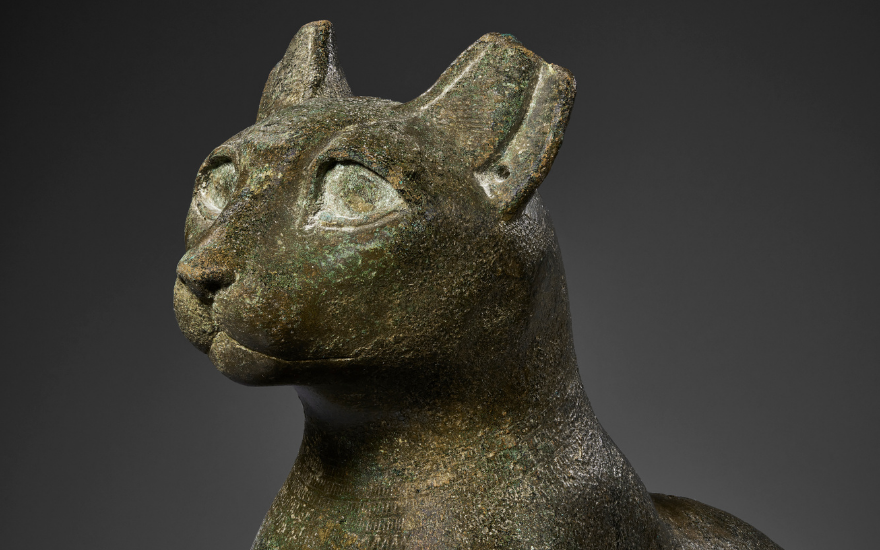
Cats are among the most mysterious, elegant, and fascinating animals ever to share our homes. Today, more than 600 million domestic cats live alongside humans worldwide—but their story began millions of years before the first human civilization appeared. Understanding the origin and history of cats is not just about pets. It is a journey through evolution, ancient religion, global trade, superstition, science, and modern companionship.
Cats have captivated human hearts for millennia, evolving from elusive wild hunters to the purring pets that grace our homes today. With their independent spirit, graceful movements, and enigmatic gaze, felines hold a unique place in history and culture. But where did these creatures come from? The story of cats is one of natural evolution, human intervention, and global migration, intertwined with the rise of civilizations. Recent genetic studies have reshaped our understanding, suggesting that domestication may have occurred later than once thought, primarily in North Africa rather than the Near East. This article delves into the origins, domestication, and historical journey of cats, exploring their roles in ancient societies, medieval folklore, and modern life. From sacred guardians in Egypt to symbols of superstition in Europe, cats have mirrored human society’s changes while maintaining their mysterious allure.
Evolutionary Origins: The Ancient Lineage of Felis
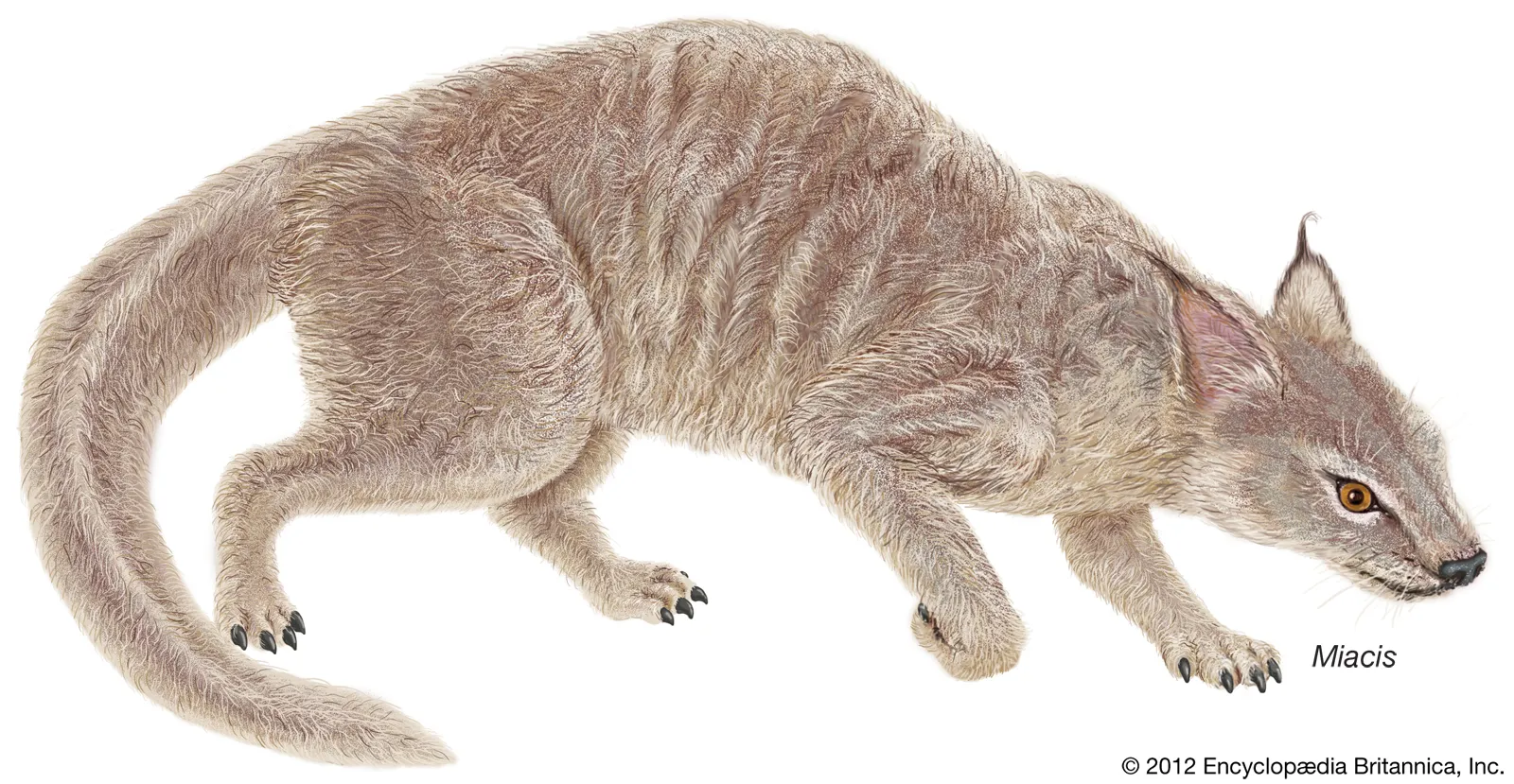
The domestic cat, scientifically known as Felis catus, belongs to the Felidae family, a group of carnivorous mammals that includes lions, tigers, and leopards. The evolutionary history of cats traces back to the Miocene epoch, approximately 8 to 14 million years ago, when the Felidae family radiated in Asia. During this period, early felids adapted to various environments, developing traits like retractable claws, sharp teeth, and keen senses for hunting.
The genus Felis, which includes small cats, diverged from other felids around 6 to 7 million years ago. Genetic and phylogenetic analyses, including mitochondrial DNA studies, reveal that the direct ancestor of the domestic cat is the African wildcat (Felis silvestris lybica), a subspecies still found across Africa and parts of the Middle East. This wildcat is remarkably similar to today’s house cats, with a slender build, short fur, and a tabby-like coat pattern. Unlike larger cats, Felis silvestris lybica is solitary and territorial, traits that persist in domestic cats despite thousands of years of human association.
Fossil evidence and DNA research indicate that wildcats spread from Africa to Europe and Asia around 11,000 years ago, adapting to diverse habitats from deserts to forests. The domestic cat’s genome shows about 20,000 genes and 38 chromosomes, shared with its wild relatives, but with mutations that emerged during domestication, such as those affecting coat color and behavior. Interestingly, tabby markings, a hallmark of many cats, only appeared in the Middle Ages due to a gene mutation in western Turkey around the 14th century.
While early theories pointed to a single origin, recent findings suggest hybridization events between subspecies, complicating the evolutionary tree. For instance, the leopard cat (Prionailurus bengalensis) was tamed in ancient China but did not contribute to modern domestic cat genetics. This evolutionary adaptability set the stage for cats’ eventual partnership with humans.
The Domestication Process: A Mutual Bond Forms
Domestication marks a pivotal chapter in cat history, transforming wild hunters into companions. Traditional views held that cats were first domesticated in the Fertile Crescent around 10,000 years ago, coinciding with the rise of agriculture. As humans settled and stored grain, rodents became a nuisance, attracting wildcats like Felis silvestris lybica to villages for easy prey. This commensal relationship—where cats benefited from food sources and humans from pest control—led to gradual taming.
The earliest archaeological evidence comes from Cyprus, where a wildcat was buried alongside a human approximately 9,500 years ago, suggesting an early bond. In China, around 5,300 years ago, at the village of Quanhucun, isotopic analysis of cat bones indicates they consumed millet-based foods, likely scavenging from humans, providing the first evidence of mutualistic relationships.
However, a groundbreaking 2025 genetic study analyzing 87 ancient cat genomes challenges this timeline. It proposes that true domestication originated in North Africa, with domesticated cats reaching Europe and southwest Asia only about 2,000 years ago. Earlier cats in these regions were likely hybridized European wildcats (Felis silvestris silvestris), not fully domesticated. This shifts the focus from a Near Eastern origin to North Africa, where cats may have been selectively bred for docility.
Unlike dogs, which were actively hunted and bred by humans, cats largely “self-domesticated.” Genetic changes were minimal: reduced aggression, increased social tolerance, and adaptations for living near people. A separate domestication event in China around 5,500 BCE involved the leopard cat for pest control, but these lines did not persist in modern populations. By 4,000 years ago, cats in Egypt showed signs of full domestication, with art depicting them as household pets.
This process highlights cats’ independence— they chose humans as much as we chose them, leading to a unique evolutionary path.

Cats in Ancient Civilizations: Revered and Utilized
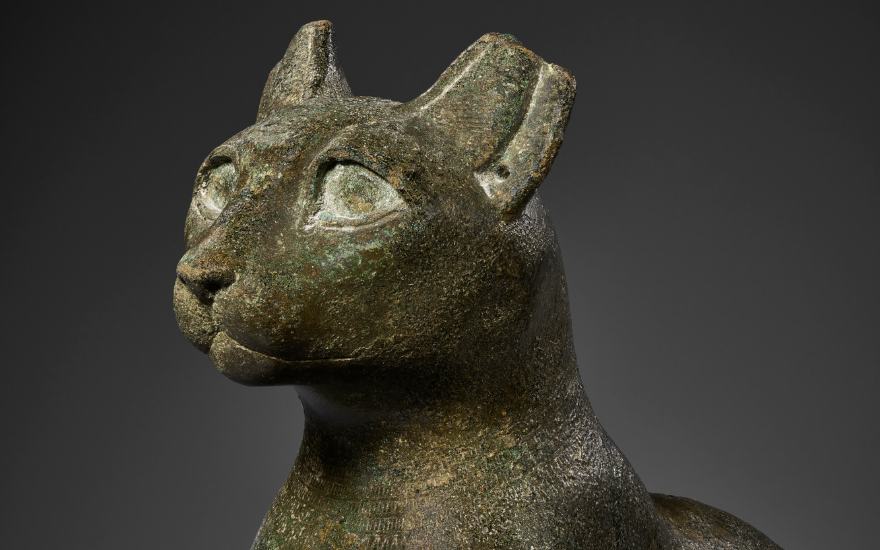
In ancient societies, cats transitioned from practical allies to cultural icons. Ancient Egypt stands out, where cats were domesticated around 4,000 BCE and elevated to divine status. Associated with the goddess Bastet, who symbolized protection and fertility, cats were mummified and buried in vast necropolises like Bubastis. Killing a cat was punishable by death, and families mourned them by shaving their eyebrows. Herodotus noted Egyptians’ deep affection for cats, distinguishing them from wild counterparts.
From Egypt, cats spread via trade. In ancient Greece, introduced around 1,200 BCE by Phoenician traders, they replaced weasels as rodent controllers. The Greek word ailouros means “thing with the waving tail,” and cats were linked to Artemis, the huntress goddess. Aristotle described their behaviors, while myths like Ovid’s Metamorphoses featured cats in transformations.
In Rome, cats were practical shipmates and household guardians, spreading through the empire to places like Corsica and Sardinia by the 5th century CE. They were sacrificed in some rituals but generally valued. In Asia, cats appeared in China during the Sung Dynasty (960–1279 CE), used for pest control, though earlier taming of leopard cats occurred independently.
These ancient roles underscore cats’ utility and symbolism, paving the way for their global presence.
Medieval Times: From Sacred to Superstitious
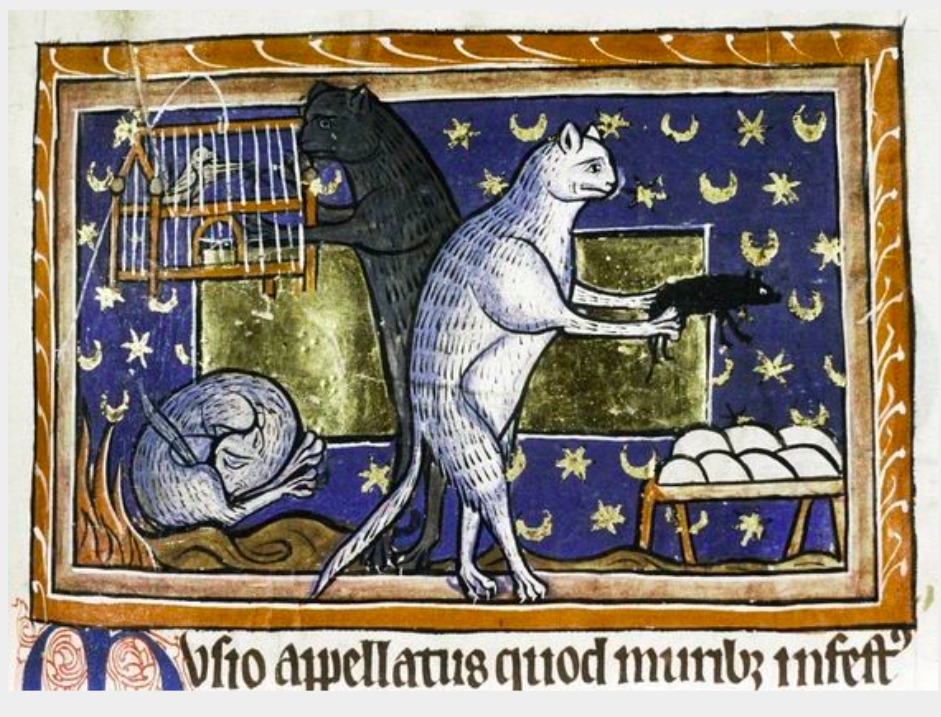
The Middle Ages brought mixed fortunes for cats in Europe. Initially, they were associated with the Virgin Mary in Christian art, appearing in Annunciation scenes and Holy Family depictions. Italian folklore told of a cat giving birth in Bethlehem on Christmas night. However, superstitions grew, linking cats—especially black ones—to witchcraft and the devil. In medieval Ypres, Belgium, cats were thrown from towers in rituals, now commemorated in festivals.
This negativity stemmed from pagan associations with goddesses like Freyja in Norse mythology, whose chariot was pulled by cats. During witch hunts, cats were seen as familiars, leading to mass killings. Yet, in Islamic cultures, cats were revered; Prophet Muhammad reportedly loved them, with stories of him cutting his robe to avoid disturbing a sleeping cat. Abu Hurayrah, a companion, was nicknamed “father of the kitten.”
In Asia, cats featured in Japanese folklore as maneki-neko, beckoning good fortune. This era’s dual perceptions—utility versus suspicion—reflected societal fears and faiths.
The Global Spread: Cats Conquer the World
With exploration came cats’ worldwide migration. During the Age of Discovery, they served as ships’ cats, controlling rats and bringing luck. Vikings carried them to northern Europe, while Romans spread them earlier. By the Roman era, cats reached Britain and Germany, and trade routes took them to Asia and Africa.
In the Americas, cats arrived with European colonists in the 16th century, adapting to new environments. Phoenicians and Persians facilitated their spread in the Mediterranean and Asia. Genetic studies trace two waves: one from Turkey around 9,000 years ago, and another from Egypt during Roman and Viking times. Today, feral populations descend from these travelers, impacting ecosystems.
This dispersal made cats ubiquitous, from Antarctic research stations to urban alleys.
Modern History and Breeds: Pets and Pedigrees
The 19th century marked cats’ rise as pets. Victorian England saw the first cat shows in 1871, leading to breed development. Over 70 breeds exist today, from the fluffy Persian to the sleek Siamese, shaped by selective breeding for traits like coat length and color. Genetic diversity is low in purebreds, leading to health issues, but random-bred cats remain robust.
In the 20th century, cats became cultural icons through literature, films, and internet memes. Global populations exceed 600 million, with 73 million in the U.S. alone. Neutering and conservation efforts address feral impacts, while therapy cats highlight their emotional roles.
Modern genetics reaffirm African origins, with ongoing research uncovering more about their past.
Conclusion: An Enduring Legacy
From African wildcats to global companions, cats’ history is a testament to adaptability and human-feline synergy. Despite debates on timelines, their journey reflects our own—migration, cultural shifts, and evolution. As we look to the future, understanding this past enriches our bond with these enigmatic creatures. Whether curling on a lap or stalking prey, cats remain timeless enigmas.