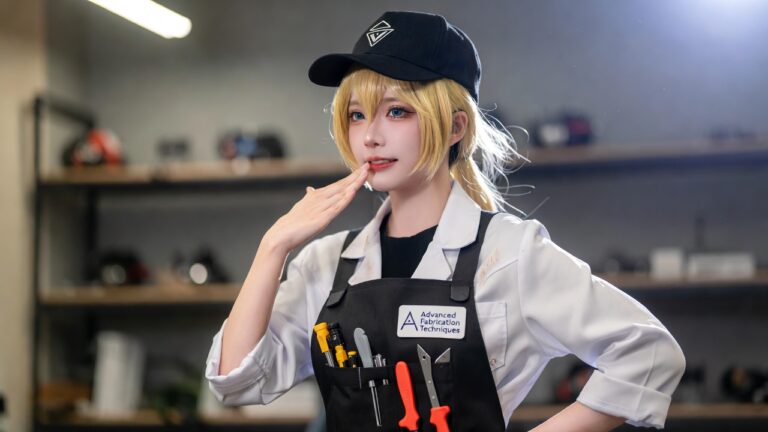
The world of cosplay often conjures images of thousand dollar armor sets, high end wigs, and months of painstaking labor. However, a vibrant and increasingly popular side of the hobby proves that creativity does not require a massive bank account. This is the realm of closet cosplay. By looking at your existing wardrobe with a fresh eye and applying strategic budgeting techniques, you can transform everyday items into iconic character looks. Closet cosplay is more than just a cheap alternative. It is a specific skill set that emphasizes character recognition through silhouettes, color palettes, and key accessories. Whether you are a veteran looking to save for a major project or a newcomer intimidated by the costs of the craft, mastering the art of the closet build is a rewarding journey.

Defining the Closet Cosplay Philosophy
At its core, closet cosplay is the practice of assembling a costume primarily from items you already own or can easily source from thrift stores. It moves away from screen accurate replicas and toward character shorthand. In 2026, the trend has shifted toward modular construction and build smart strategies. Instead of one heavy, expensive outfit, cosplayers are building versatile wardrobes that can be adapted for multiple characters.
Why Closet Cosplay is the Future
-
Sustainability: The fashion industry is a major contributor to global waste. By upcycling old clothes, you reduce the demand for new textiles and keep usable materials out of landfills.
-
Accessibility: It removes the financial barrier to entry, making the community more inclusive for students, young professionals, and those on a fixed income.
-
Creativity: Working within constraints often produces more clever solutions. Finding a way to make a basic hoodie look like a futuristic flight suit requires more imagination than simply buying a pre made kit.
-
Comfort: Most closet cosplays are made of breathable, everyday fabrics, making them ideal for long eight hour days at conventions where heavy foam armor becomes a burden.
Identifying Character Archetypes
The secret to a successful closet cosplay is choosing the right character. Some designs are naturally suited for a wardrobe search, while others require heavy modification.
Modern and Casual Characters
Characters from series set in the real world are the easiest to replicate. Think of characters like Luffy from One Piece with his denim shorts and red vest, or Wednesday Addams with her signature black dress and white collar. These looks rely on specific color blocks and silhouettes that most people have in their drawers.
The Power of Palettes and Archetypes
A rising trend in 2026 is the use of color coded archetypes. Instead of chasing a single specific protagonist, many cosplayers build a look around a palette. A chartreuse green outfit paired with glitch makeup might read as a cyberpunk hacker, while an icy blue ensemble with shimmer makeup suggests a celestial mage. This allows you to use your best clothing pieces while still fitting into the cosplay atmosphere.
Strategic Budgeting for the Savvy Cosplayer
Cosplay can be a financial black hole if you do not have a plan. Budgeting is not just about spending less; it is about spending where it matters most.
The Rule of Three
When planning a budget, focus your funds on the three most recognizable elements of the character. Typically, these are:
-
The Hair: A high quality wig or a perfectly styled natural look.
-
The Eyes/Face: Contacts and makeup that define the character expression.
-
The Signature Prop: An item like a wand, a specific hat, or a unique necklace.
If you nail these three things, the rest of the outfit can be remarkably simple and people will still know exactly who you are.
Thrift Store Scouting
Thrift stores are the primary resource for the budget cosplayer. When browsing, do not look for the finished costume. Look for the base. A trench coat can be dyed, a pair of boots can be spray painted, and a vintage blazer can be modified with new buttons.
Pro Tip: Visit thrift stores in wealthier neighborhoods or near college campuses. You are more likely to find high quality base layers and unique accessories that would cost five times as much at a retail store.
The Art of Closet Cosplay and Budgeting
The world of cosplay often conjures images of thousand dollar armor sets, high end wigs, and months of painstaking labor. However, a vibrant and increasingly popular side of the hobby proves that creativity does not require a massive bank account. This is the realm of closet cosplay. By looking at your existing wardrobe with a fresh eye and applying strategic budgeting techniques, you can transform everyday items into iconic character looks.
Closet cosplay is more than just a cheap alternative. It is a specific skill set that emphasizes character recognition through silhouettes, color palettes, and key accessories. Whether you are a veteran looking to save for a major project or a newcomer intimidated by the costs of the craft, mastering the art of the closet build is a rewarding journey.
Defining the Closet Cosplay Philosophy
At its core, closet cosplay is the practice of assembling a costume primarily from items you already own or can easily source from thrift stores. It moves away from screen accurate replicas and toward character shorthand. In 2026, the trend has shifted toward modular construction and build smart strategies. Instead of one heavy, expensive outfit, cosplayers are building versatile wardrobes that can be adapted for multiple characters.
Why Closet Cosplay is the Future
-
Sustainability: The fashion industry is a major contributor to global waste. By upcycling old clothes, you reduce the demand for new textiles and keep usable materials out of landfills.
-
Accessibility: It removes the financial barrier to entry, making the community more inclusive for students, young professionals, and those on a fixed income.
-
Creativity: Working within constraints often produces more clever solutions. Finding a way to make a basic hoodie look like a futuristic flight suit requires more imagination than simply buying a pre made kit.
-
Comfort: Most closet cosplays are made of breathable, everyday fabrics, making them ideal for long eight hour days at conventions where heavy foam armor becomes a burden.
Identifying Character Archetypes
The secret to a successful closet cosplay is choosing the right character. Some designs are naturally suited for a wardrobe search, while others require heavy modification.
Modern and Casual Characters
Characters from series set in the real world are the easiest to replicate. Think of characters like Luffy from One Piece with his denim shorts and red vest, or Wednesday Addams with her signature black dress and white collar. These looks rely on specific color blocks and silhouettes that most people have in their drawers.
The Power of Palettes and Archetypes
A rising trend in 2026 is the use of color coded archetypes. Instead of chasing a single specific protagonist, many cosplayers build a look around a palette. A chartreuse green outfit paired with glitch makeup might read as a cyberpunk hacker, while an icy blue ensemble with shimmer makeup suggests a celestial mage. This allows you to use your best clothing pieces while still fitting into the cosplay atmosphere.
Strategic Budgeting for the Savvy Cosplayer
Cosplay can be a financial black hole if you do not have a plan. Budgeting is not just about spending less; it is about spending where it matters most.
The Rule of Three
When planning a budget, focus your funds on the three most recognizable elements of the character. Typically, these are:
-
The Hair: A high quality wig or a perfectly styled natural look.
-
The Eyes/Face: Contacts and makeup that define the character expression.
-
The Signature Prop: An item like a wand, a specific hat, or a unique necklace.
If you nail these three things, the rest of the outfit can be remarkably simple and people will still know exactly who you are.
Thrift Store Scouting
Thrift stores are the primary resource for the budget cosplayer. When browsing, do not look for the finished costume. Look for the base. A trench coat can be dyed, a pair of boots can be spray painted, and a vintage blazer can be modified with new buttons.
Pro Tip: Visit thrift stores in wealthier neighborhoods or near college campuses. You are more likely to find high quality base layers and unique accessories that would cost five times as much at a retail store.
Transforming the Wardrobe: Practical Tips
Once you have gathered your items, the next step is the transformation. Small changes make a big impact.
Fabric Manipulation
You do not need to be a master tailor to alter a garment. Simple techniques like distressing a t shirt with a cheese grater or using fabric paint to add a logo can elevate a look. For characters with specific patterns, consider using iron on transfer paper or stencils with acrylic paint mixed with a fabric medium.
Prop Building from Household Waste
Budgeting extends to your props. Before buying expensive EVA foam or 3D printing filaments, look in your recycling bin.
-
Cardboard: When layered and sealed with wood glue, cardboard becomes incredibly sturdy. It is perfect for swords, shields, and back pieces.
-
Plastic Bottles: These can be cut and painted to create potion vials, futuristic canisters, or even structural elements for headsets.
-
Foil and Tape: Aluminum foil can be shaped into organic forms and covered in masking tape to create a base for clay or paint.
The Magic of Makeup
Makeup is the ultimate budget tool. A few dollars spent on a versatile eyeshadow palette can do the work of a fifty dollar mask. In 2026, cosplayers are using high contrast liner and contouring to change their facial structure to match animated characters. If you can master the art of the faux scar or the glowing eye look, you can make a simple black t shirt look like a battle worn uniform.
Maximizing Value at Conventions
The cost of cosplay does not stop at the costume. Travel, tickets, and food can dwarf the price of the outfit itself.
The Modular Approach
To get the most out of your budget, choose characters that share components. A pair of black tactical boots can work for twenty different anime characters. A well styled white wig can be used for a fantasy elf one day and a futuristic cyborg the next. Investing in high quality basics that serve multiple purposes is the most effective long term budgeting strategy.
Community Swaps
Many local cosplay groups now organize costume swaps. This is a fantastic way to trade a wig you no longer use for a prop you need for your next project. It fosters a sense of community and keeps the hobby affordable for everyone involved.
Conclusion: Creativity Over Capital
The art of closet cosplay proves that the spirit of the hobby is not found in a price tag, but in the passion for the source material. By leveraging the clothes you already have, shopping secondhand, and focusing on key character details, you can create stunning looks that stand out on any convention floor.
Remember that cosplay is a performance of love for a character. Whether your costume cost a thousand dollars or ten dollars, the joy comes from the transformation. Start small, look in your closet, and see what stories are waiting to be told through the items you already own. Budgeting is not a limitation; it is an invitation to innovate.
About the Author