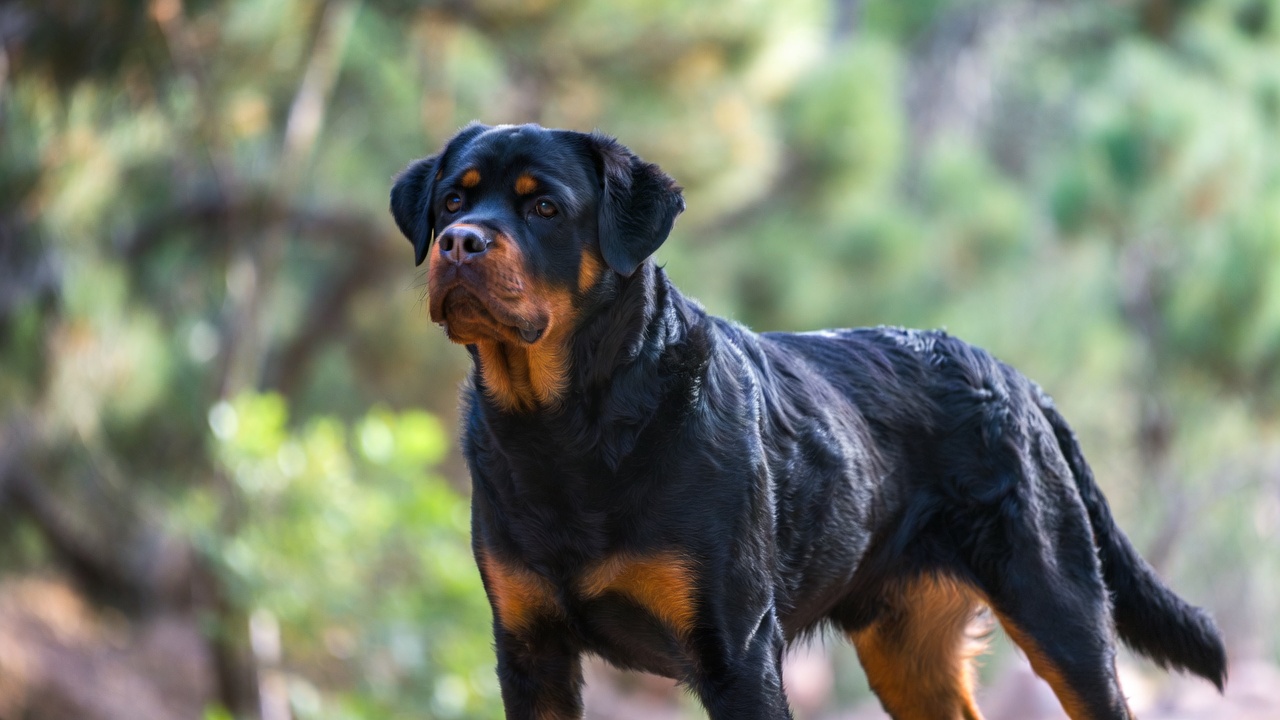
Everything you need to know about raising, training, feeding, and loving one of the world’s most loyal and powerful breeds.
“The Rottweiler is one of the oldest herding breeds in the world — a dog of extraordinary strength, deep loyalty, and surprising gentleness with those it loves. Often misunderstood due to its imposing physique, the Rottweiler is in reality a devoted family companion that thrives when given the right care, structure, and affection. Whether you’re a first-time Rottweiler owner or a seasoned handler, this guide covers every essential aspect of keeping your Rottweiler happy, healthy, and well-adjusted for life.”
Understanding the Rottweiler Temperament
Before diving into the practical aspects of care, it’s vital to understand who the Rottweiler really is. Originally bred in Rottweil, Germany, to herd livestock and pull butchers’ carts, the Rottweiler was built for work. This working heritage shapes almost everything about the breed’s personality: its drive, its need for a “job,” and its fierce bond with its family.
Rottweilers are calm, confident, and courageous by nature. They are not impulsive or hyperactive dogs — rather, they observe carefully before acting. This watchful quality can be mistaken for aggression, but it is actually measured intelligence. A well-raised Rottweiler is affectionate and playful at home while remaining composed and alert in new situations.
Rottweilers are deeply people-oriented dogs. They do not thrive when left alone for extended periods and can develop anxiety or destructive behaviors without adequate human interaction. They form close attachments to every member of the household — including children — and are often described by owners as “velcro dogs” for their tendency to follow their people from room to room.
The Rottweiler doesn’t love many people, but those he loves, he loves with everything he has. — Common among experienced Rottweiler breeders
Training and Socialization: The Non-Negotiables
If there is one single investment that defines the quality of life for both a Rottweiler and its owner, it is early, consistent training. Due to their size, power, and natural protective instincts, Rottweilers must be trained from puppyhood. A 120-pound dog that jumps on guests or pulls on the leash is not manageable — or safe. Training is not optional for this breed; it is a fundamental responsibility of ownership.
Start From Day One
Begin basic obedience training the moment your puppy arrives home. Commands like “sit,” “stay,” “come,” “leave it,” and “place” build a vocabulary of communication between you and your dog. Puppies as young as 8 weeks old can learn these fundamentals. Short, consistent sessions of 10 to 15 minutes, two or three times per day, work far better than occasional long sessions.
Positive Reinforcement Is Key
Rottweilers respond exceptionally well to positive reinforcement — praise, treats, and play as rewards for desired behavior. Harsh corrections or punitive training methods are counterproductive with this breed. Rottweilers have excellent memories and a strong sense of fairness; they will disengage from a trainer who uses force or intimidation. Building a relationship based on trust and reward produces a dog that genuinely wants to obey.
Socialization Is Life-Long
Expose your Rottweiler puppy to as many people, dogs, environments, and sounds as possible between the ages of 3 and 16 weeks — this is the critical socialization window. Continue socialization throughout the dog’s life. Well-socialized Rottweilers are friendly, adaptable, and confident. Under-socialized ones can become fearful or reactive, which in a large and powerful breed can lead to serious problems.
- Enroll in a puppy obedience class within the first month of bringing your dog home.
- Practice “nothing in life is free” — ask for a sit or down before meals, walks, or play.
- Introduce your Rottweiler to at least 100 different people before the age of 4 months.
- Expose your pup to different surfaces, sounds, and situations gradually and positively.
- Consider Canine Good Citizen (CGC) certification as a training milestone to work toward.
Nutrition: Fueling a Powerful Body
A Rottweiler’s diet directly impacts its energy, coat condition, joint health, and longevity. As a large, muscular breed prone to certain health issues, including hip dysplasia and obesity, nutrition requires careful attention throughout every life stage.
What to Feed
Choose a high-quality commercial dog food formulated for large breeds, with a named animal protein — chicken, beef, lamb, or fish — listed as the first ingredient. Avoid foods where the first several ingredients are grains or unnamed meat by-products. For adult Rottweilers, a food with 22–26% protein and 12–16% fat is generally appropriate. Large-breed puppy formulas are designed to support slower, steadier bone growth and should be fed until your Rottweiler is 18 to 24 months old.
Portion Control and Meal Timing
Rottweilers are enthusiastic eaters and will overeat if given the chance. Use a measuring cup and follow feeding guidelines adjusted to your individual dog’s weight and activity level. Feed adults twice per day rather than once, which helps reduce the risk of bloat (gastric dilatation-volvulus), a life-threatening condition that affects deep-chested breeds. Never exercise your Rottweiler vigorously within an hour before or after meals.
Fresh water should always be available. Many owners notice their Rottweilers eating food more eagerly when water is placed alongside or mixed lightly into dry kibble — this is completely natural. Dogs in the wild consumed prey with high moisture content, and adding water to dry food can aid digestion and increase hydration, especially in warm weather.
Foods to Avoid
Keep your Rottweiler away from grapes, raisins, onions, garlic, chocolate, xylitol (found in sugar-free products), macadamia nuts, and cooked bones. These can cause anything from gastrointestinal upset to life-threatening organ failure. When in doubt, consult your veterinarian before introducing any new food.
Exercise: A Working Dog’s Need to Move
Rottweilers are athletic, enduring dogs that require significant daily exercise — generally around two hours total, broken into multiple sessions. Without adequate physical activity, Rottweilers become bored, which often manifests as chewing, digging, barking, or other destructive behaviors. Exercise is not just about physical fitness; it is essential for mental health and behavioral stability.
Adults thrive on a combination of structured walks, off-leash play in a securely fenced area, swimming (which Rottweilers often love), hiking, and interactive games like fetch or tug. Many Rottweilers also excel in dog sports such as obedience, rally, tracking, weight pulling, and schutzhund — activities that challenge both body and mind.
Keep in mind that Rottweiler puppies should not be over-exercised. Until growth plates close at around 18 months, avoid repetitive high-impact activities like long runs on hard surfaces or excessive jumping, which can cause lasting joint damage. Short, frequent play sessions on soft surfaces are ideal for young dogs.
Grooming and Physical Care
Rottweilers have a short, dense double coat that is surprisingly easy to maintain. Weekly brushing with a rubber curry brush or bristle brush removes loose hair and distributes natural skin oils, keeping the coat glossy and reducing shedding. Rottweilers shed moderately year-round and more heavily during seasonal coat changes in spring and fall — more frequent brushing during these periods keeps shedding manageable.
Bathe your Rottweiler every six to eight weeks or as needed. Use a dog-specific shampoo that won’t strip coat oils. Check and clean ears weekly for signs of infection — redness, odor, or dark discharge — and trim nails every three to four weeks. Neglected nails affect gait and can cause joint pain over time. Start handling your puppy’s paws, ears, and mouth from an early age so grooming routines are stress-free for life.
Don’t overlook dental hygiene. Brush your Rottweiler’s teeth several times per week using canine toothpaste, and provide dental chews as a supplement. Dental disease is one of the most common preventable health issues in dogs and can lead to systemic infections affecting the heart, kidneys, and liver.
Health: Knowing What to Watch For
Rottweilers are generally robust dogs, but like all large breeds they are predisposed to certain conditions. Being informed helps you catch problems early and give your dog the best chance at a long, comfortable life.
- Hip and Elbow Dysplasia — A malformation of the hip or elbow joint that causes pain and lameness. Managed through weight control, joint supplements, physical therapy, and in some cases surgery.
- Osteosarcoma — Bone cancer is unfortunately more prevalent in Rottweilers than in most breeds. Early detection through regular veterinary exams is critical.
- Aortic Stenosis — A congenital heart defect that can affect the breed. Annual cardiac screening is recommended.
- Bloat (GDV) — A sudden, life-threatening stomach condition. Learn the signs: unproductive retching, distended abdomen, restlessness. Seek emergency care immediately.
- Hypothyroidism — Can cause weight gain, lethargy, and coat problems. Easily managed with daily medication once diagnosed.
Schedule a veterinary wellness exam at least once per year for young adult Rottweilers and twice per year for dogs over six years old. Keep vaccinations, flea, tick, and heartworm prevention current. Work with a vet experienced with large and giant breeds who understands the specific needs of the Rottweiler.
Building the Bond: The Heart of Rottweiler Ownership
All the training, nutrition, and veterinary care in the world matters less without the most fundamental element of Rottweiler ownership: time. Rottweilers are pack animals that define their identity through their relationship with their people. They want to be with you — in the kitchen while you cook, on the floor beside you while you watch television, in the yard while you garden.
Invest in your relationship through daily positive interaction. Training sessions double as bonding time. Grooming builds trust. Play deepens affection. When a Rottweiler is confident in its bond with its owner and clear on its role in the family hierarchy, it is one of the most stable, loyal, and deeply rewarding companions a person can have.
The Rottweiler is not a breed for passive ownership. It demands engagement, consistency, and a genuine relationship. Give it those things, and it will give you back loyalty, protection, and love on a scale few other breeds can match.
The best Rottweiler is not the one bred from champions — it is the one raised with patience, respect, and love.
Whether you are just beginning your journey with this magnificent breed or are a veteran of many Rottweilers, remember that every dog is an individual. Learn your dog. Celebrate its quirks, work through its challenges, and never stop investing in its wellbeing. A well-cared-for Rottweiler is not simply a pet — it is a devoted partner and one of life’s most extraordinary companions.