The surprising science behind your sausage dog’s eating habits — and why adding moisture to their meals could change everything.
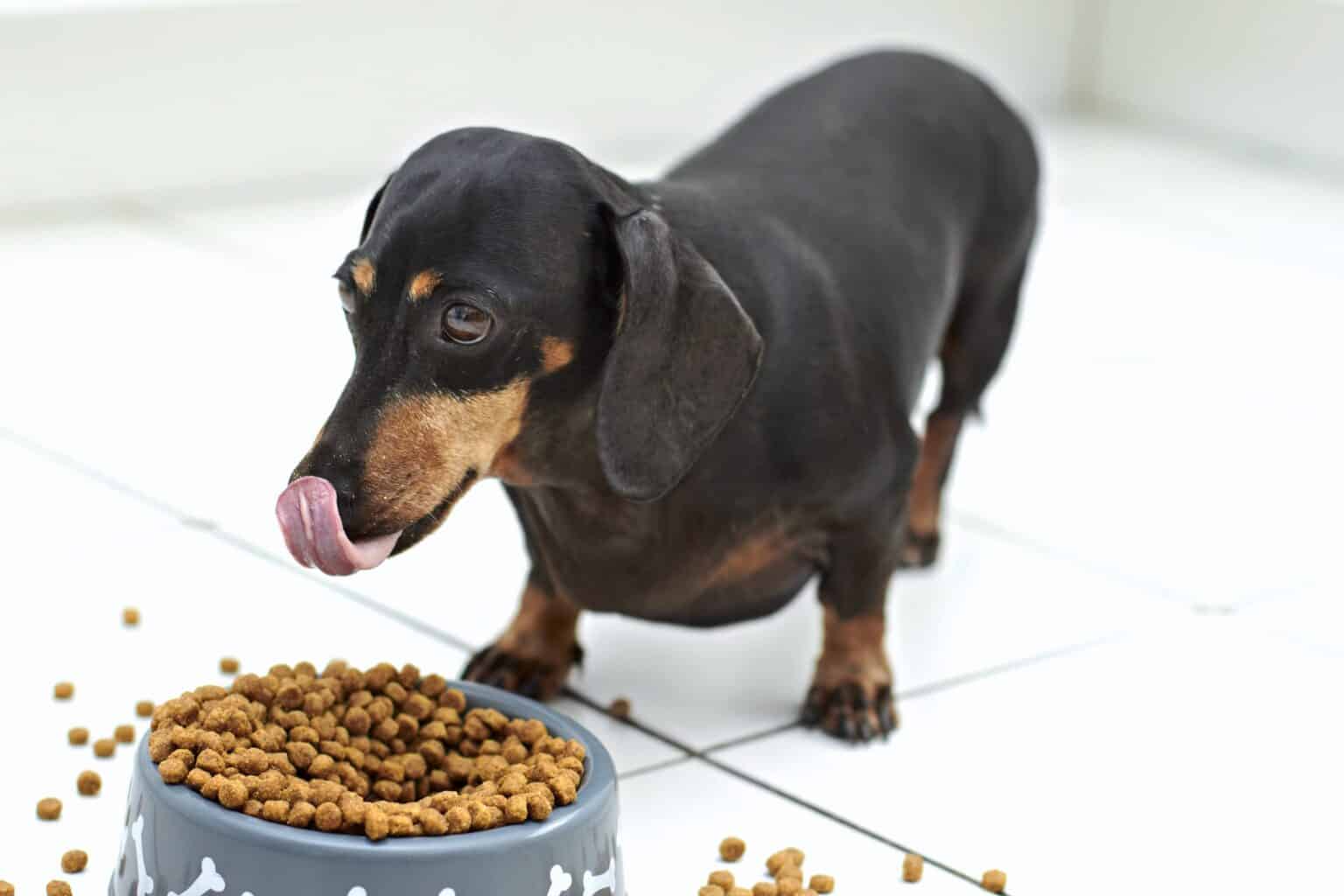
Dachshunds are famously enthusiastic eaters — but many owners notice their little long dogs drinking water during or immediately after meals, or doing best when food is softened with water. This isn’t random quirky behavior. It’s rooted in anatomy, evolution, and genuine health needs unique to this remarkable breed.
If you’ve ever watched your Dachshund eagerly lap up water between bites or paw at their water bowl right next to their food dish, you may have wondered: is this normal? Should I be adding water to their kibble? Is something wrong? The reassuring answer is that this behavior is not only normal for Dachshunds — for many individuals of this breed, it’s actually one of the healthiest eating habits they can develop.
In this article, we’ll explore the anatomy behind your Dachshund’s unique dietary needs, the science of hydration during meals, common health concerns that make wet or moistened food beneficial, and practical tips for incorporating water into your dog’s feeding routine safely and effectively.
The Dachshund Body: Built Differently
To understand why water plays such an important role in how Dachshunds eat, we first need to appreciate just how different this breed’s body structure is from most other dogs. Dachshunds are a chondrodystrophic breed — meaning they were selectively bred to have shortened limbs and a long, low-slung body. Their spine is famously elongated, their chest is deep and broad, and their entire digestive system is somewhat compressed into a long narrow frame.
This body shape has real consequences for digestion. The esophagus — the muscular tube connecting mouth to stomach — sits within a ribcage and body cavity that is proportionally longer and narrower than in other breeds. Food, particularly dry hard kibble, must travel a longer relative distance and negotiate more tightly packed anatomy before reaching the stomach. This can make dry food more difficult to swallow comfortably and harder to move through the digestive system efficiently.
Adding water to food, or allowing a dog to drink alongside eating, effectively pre-softens the food and lubricates its passage. For a Dachshund, this is not a luxury — it can genuinely ease the mechanics of every single meal.
🦴 Chondrodystrophic Build
Dachshunds have compressed, elongated torsos that make dry food harder to swallow and digest efficiently compared to other breeds.
💧Hydration Needs
Dogs on dry kibble diets often drink inadequate water. Moisture-rich meals ensure Dachshunds stay properly hydrated throughout the day.
🫀Kidney Support
Consistent hydration through food protects kidney function — especially important in older Dachshunds prone to urinary issues.
🦷Dental Considerations
Softened food is gentler on aging teeth and gums, reducing discomfort during meals for senior Dachshunds or those with dental sensitivities.
Hydration and the Dry Kibble Problem
Most commercial dry dog food contains only around 8–10% moisture. Compare that to a dog’s natural prey diet or quality wet food, which contains anywhere from 70–80% moisture. When a dog eats predominantly dry food, their body must compensate by drinking significantly more water — and many dogs, especially Dachshunds, are notoriously poor drinkers when left to their own devices.
Chronic low-level dehydration in dogs can lead to a range of health issues including constipation, urinary tract infections, kidney stress, and reduced joint health. For Dachshunds, who are already prone to back problems (intervertebral disc disease, or IVDD) and urinary issues, maintaining excellent hydration is particularly important. Discs, like all connective tissues in the body, rely on water to maintain their elasticity and shock-absorbing properties. A well-hydrated Dachshund is, in a meaningful sense, a Dachshund with better-protected discs.
Adding water to dry kibble is one of the simplest and most effective ways to increase total daily fluid intake without relying on your dog to voluntarily drink enough on their own. Many Dachshund owners who start moistening their dog’s food report dramatic improvements in energy, coat quality, digestion, and stool consistency within just a few weeks.
Moisture in the diet is not just about quenching thirst — it’s about protecting every organ, every disc, every joint in your Dachshund’s uniquely designed body.
— Veterinary Nutrition Principle
Intervertebral Disc Disease (IVDD) and Diet
IVDD is perhaps the most significant health concern associated with the Dachshund breed. Studies suggest that up to 25% of Dachshunds will experience IVDD-related symptoms during their lifetime. The condition involves the gradual degeneration and potential rupture of the cushioning discs between the vertebrae of the spine — and because Dachshunds have such a long spine, they are far more vulnerable than short-backed breeds.
Hydration plays a direct role in disc health. The nucleus pulposus — the soft, gel-like core of each intervertebral disc — is composed largely of water, particularly in young dogs. As dogs age, this core naturally becomes drier and less resilient. A chronically dehydrated Dachshund experiences this aging process more rapidly and severely, meaning drier, more brittle discs that are far more susceptible to calcification and rupture.
By ensuring your Dachshund stays consistently hydrated — including through their food — you’re giving their discs the best possible chance of remaining resilient for longer. While diet alone cannot prevent IVDD, it is one of the few controllable lifestyle factors that meaningfully supports spinal health in this breed.
Digestive Comfort and Bloat Prevention
Dachshunds can be enthusiastic, fast eaters — and when a dog eats large amounts of dry food quickly, it swells in the stomach after absorbing gastric fluids. This expansion can cause significant discomfort and, in serious cases, contribute to gastric dilatation (bloat). While Dachshunds are not the highest-risk breed for life-threatening gastric dilatation-volvulus (GDV) that affects deep-chested large breeds, bloat and digestive discomfort are still real concerns.
Food that has been pre-moistened with water swells before it enters the stomach rather than after. This means the stomach receives a less dramatically expanding meal, reducing the risk of discomfort and post-meal bloating. Many owners who add warm water to kibble also find that their Dachshund slows down their eating pace naturally — the softer, wetter food takes slightly more time to eat and feels more satisfying in smaller amounts.
Start by adding a small amount of warm (not hot) water to kibble — about ¼ cup per serving — and allow it to soak for 5 to 10 minutes before serving. Too much water can make food unappetizing or cause it to spoil quickly. Never leave moistened food sitting out for more than 30 minutes in warm weather, as bacteria can grow rapidly in wet food left at room temperature.
Behavioral Reasons: Natural Instinct at Work
Beyond anatomy and health, there’s also a fascinating behavioral dimension to why some dogs — and Dachshunds in particular — gravitate toward combining food and water. Dachshunds were originally bred as scent hounds and earth dogs, used to flush out badgers and other burrowing animals from underground dens. They are intelligent, instinct-driven dogs with highly developed problem-solving tendencies.
In the wild, canines often eat prey that contains high moisture content and will sometimes carry food to water sources, or “wash” their food instinctively. Some Dachshunds exhibit a version of this behavior — carrying kibble to their water bowl or pawing water toward their food. This isn’t confusion or bad manners; it’s an expression of deeply wired feeding instincts. Far from needing to be discouraged, this behavior can be gently accommodated by simply placing water and food bowls adjacent to each other, or pre-moistening meals.
Senior Dachshunds: When Moisture Becomes Essential
As Dachshunds age — typically from around seven or eight years old — their dental health, kidney function, and digestive efficiency all begin to change. Older dogs frequently develop dental disease, loose teeth, or sore gums that make chewing hard kibble genuinely painful. Their kidneys become less efficient at concentrating urine, making adequate fluid intake even more critical. Their digestive tracts slow down, making constipation more likely if diet is too dry.
For senior Dachshunds, moistened food or a transition to a quality wet food diet is not just beneficial — it is often veterinarian-recommended. A senior dog who struggles to chew dry food may gradually eat less, lose weight, and become malnourished without anyone realizing why. Simply adding warm water to their kibble or switching to wet food can restore enthusiasm for meals and significantly improve quality of life.
Practical Tips: Getting It Right
- 01Use warm water, not cold. Warm water softens kibble more effectively and releases food aromas, making meals more enticing for picky eaters. Aim for a temperature similar to warm broth — pleasant to touch, not hot.
- 02Let it soak before serving. Allow 5–10 minutes of soaking time so the kibble absorbs moisture evenly. This creates a stew-like consistency that most Dachshunds find highly appealing.
- 03Try low-sodium broth as an alternative. For fussy Dachshunds who aren’t interested in water-softened food, low-sodium chicken or beef broth (with no onion or garlic) adds flavor while boosting hydration equally well.
- 04Maintain fresh water availability at all times. Moistening food supplements hydration but doesn’t replace the need for a clean, fresh water bowl. Always keep water available, especially after meals and exercise.
- 05Transition gradually. If your Dachshund has been eating dry kibble exclusively, introduce moisture slowly over one to two weeks. A sudden change in food texture can cause temporary digestive upset in sensitive dogs.
- 06Consider elevated feeding bowls with care. Elevated feeders were once recommended for large breeds to prevent bloat, but recent research has complicated this picture. For Dachshunds, a ground-level or slightly raised bowl is typically suitable — consult your vet for personalized guidance.
When to Consult Your Veterinarian
While adding water to your Dachshund’s food is generally a safe and beneficial practice, there are situations where changes in eating habits or water intake warrant professional attention. If your Dachshund suddenly begins drinking dramatically more water than usual, this can signal underlying health conditions including diabetes, Cushing’s disease, or kidney disease that require diagnosis and treatment.
Similarly, if your Dachshund is reluctant to eat even moistened food, regurgitates food after swallowing, or shows signs of difficulty or pain while eating, these symptoms should be evaluated by a veterinarian. Occasional regurgitation can indicate megaesophagus — a condition where the esophagus loses muscle tone and fails to properly move food to the stomach — which has a higher prevalence in certain dog breeds and requires specific dietary management.
Always approach dietary changes for any health condition in consultation with a qualified veterinarian or veterinary nutritionist who knows your individual dog’s history and health status.
The Bottom Line 🐾
Dachshunds eat food with water for a beautiful confluence of reasons: anatomy that benefits from lubrication, health needs that demand consistent hydration, natural instincts carried from their working-dog heritage, and a digestive system that simply functions better when food arrives in a softer, more manageable form.
Whether your Dachshund dunks their own kibble, drinks eagerly mid-meal, or you’ve started adding warm water to their bowl yourself — you’re supporting one of the most fundamental aspects of their wellbeing. This small, simple act — adding a splash of water to your dog’s food — can mean healthier kidneys, better-protected spinal discs, more comfortable digestion, and a happier, more vibrant Dachshund who greets mealtime with the full-throttled enthusiasm that makes this remarkable breed so endlessly lovable.
As with all things in canine care, the best approach is one tailored to your individual dog — but for the vast majority of Dachshunds, moisture-enriched meals are not just acceptable. They’re ideal.