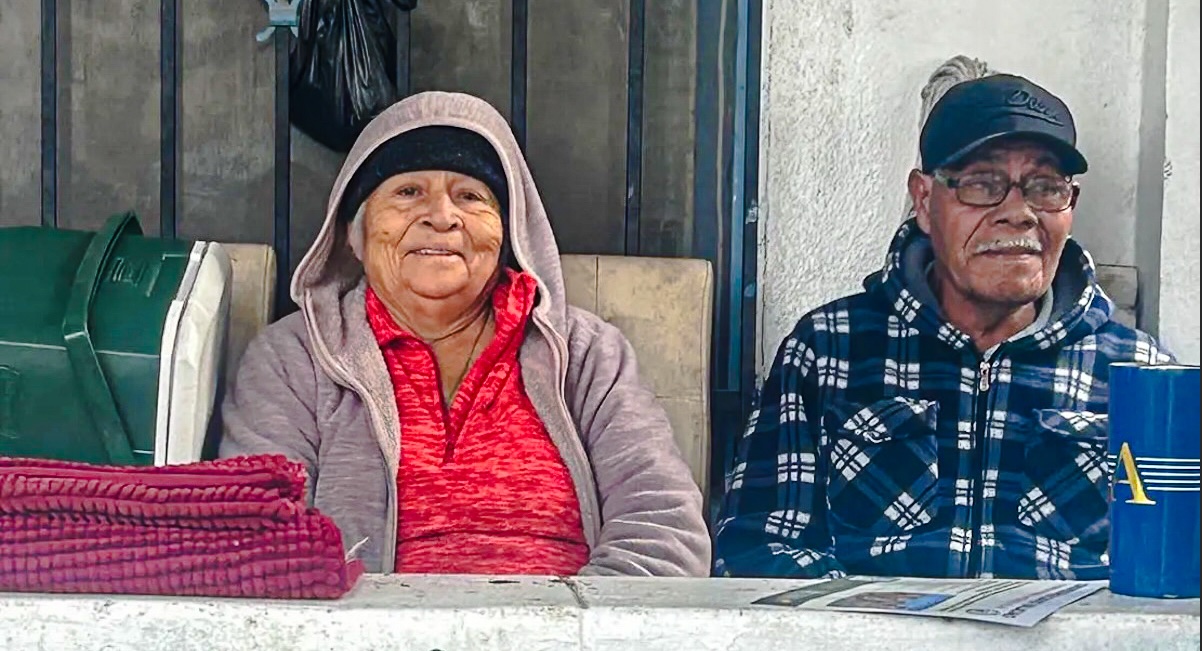
This New York Times article, published on February 4, 2026, details the poignant story of Enrique Castillejos, 63, and his wife Maria Elena Hernandez, 55, an undocumented immigrant couple from Mexico who chose to self-deport after nearly 30 years in the United States. Their decision came amid the Trump administration’s intensified immigration crackdown, highlighting the personal toll of such policies on long-term residents.
Background and Life in the U.S.
Enrique and Maria Elena originally crossed into the U.S. undocumented in the late 1990s, planning a short stay to earn money before returning to Mexico. However, life unfolded differently: they settled in Bloomington, California—a semirural area in San Bernardino County, about 50 miles east of Los Angeles—where they raised three children (Lizbeth, 29; Joaquin, 26; and Helen, 23) and two grandchildren (Michael, 2, and Olivia, 4). They rented a home for over a decade, tended backyard chickens, built a trucking business, and became active in their local church. Enrique used a borrowed Honduran identity to secure work authorization, allowing them to integrate into Southern California’s immigrant community.
The family achieved milestones: all three children graduated college, and the couple nurtured strong family bonds. Maria Elena reflected on their undocumented status, saying, “We got tired of living in a lie… We have to be good before God. You can’t be a child of God and lie with two names.” Despite opportunities like the 2006 amnesty protests or their children potentially joining the military to sponsor residency, they never legalized their status, leading to ongoing vulnerability.
Reasons for Leaving
The couple’s choice to self-deport was driven by escalating fears under Trump’s policies, including federal immigration sweeps in their neighborhood and a mass deportation campaign offering $1,000 incentives and flights for voluntary departures—which they declined due to distrust of government processes. They feared detention and uncertainty more than deportation itself, feeling that “freedom had become impossible in the land of the free.” Maria Elena noted of Trump, “He said he would go after criminals, and we don’t consider ourselves criminals… It turns out, for him, we’re all criminals.”
They framed the move positively as an early retirement and a chance to spread their faith back in Mapastepec, Chiapas, Mexico, on land they dubbed Rancho La Promesa de Dios (God’s Promise Ranch). Enrique cited Psalms 37, viewing it as divine will.
The Self-Deportation Process and Challenges
Self-deportation unfolded as a “long, slow-motion goodbye,” involving emotional, practical, and spiritual hurdles. They packed minimally—Maria Elena prioritized her seasonal curtains (gold, red, green) over extra clothes, as advised by Helen. Logistically, they wound down their trucking business and severed church ties, with Enrique announcing their departure to a tearful congregation.
A heartbreaking decision was euthanizing their 14-year-old dog, Rex, due to his health issues and the impracticality of relocation. Helen expressed the overwhelm: “Right now, there’s too much loss… I can’t do both.” On August 24 (the article’s timeline suggests this occurred recently relative to publication), after a family prayer thanking God for 29 years in the U.S., they drove to the San Ysidro border crossing. Crossing into Mexico felt like resetting to zero, with Maria Elena quipping, “Saliendo del sueño Americano y ahora entramos al sueño Mexicano” (Leaving the American dream and now entering the Mexican dream).
Impact on Family
The departure deeply affected their U.S.-citizen children and grandchildren, evoking grief mixed with gratitude. A farewell party featured Christian mariachi music, symbolic fruit displays (representing butterfly migrations), and emotional speeches: Joaquin missed his mom’s beans, Helen lamented the family breaking apart, and Lizbeth celebrated their legacy while noting a “fresh chapter.” Lizbeth described the emotions as “a mixture of all those feelings — being grateful for knowing that they’re safe, and at the same time, hating that this is the way it has to be.” The grandchildren began learning Spanish, underscoring the cultural shift.
New Life in Mexico and Broader Context
In Mexico, they stayed temporarily with relatives in Tijuana before heading to Chiapas to renovate a small dwelling on their ranch. The article notes potential challenges like homesickness but portrays their outlook as hopeful.
This story echoes similar cases, such as a Bakersfield couple self-deporting after 35 years due to fear and insecurity under Trump’s policies. Public reactions to the NYT piece are mixed: some express sympathy, viewing it as “fleeing” rather than voluntary departure, while others see it positively as aligning with deportation goals, with comments like “Nice to see NYT writing a positive story about the deportations.” Conservative perspectives often frame such exits as successes of enforcement, whereas immigrant advocates highlight the human cost and disrupted families. The piece underscores how tightened policies prompt self-deportations among long-integrated immigrants, contributing to broader debates on immigration reform.